About Calcium Propionate
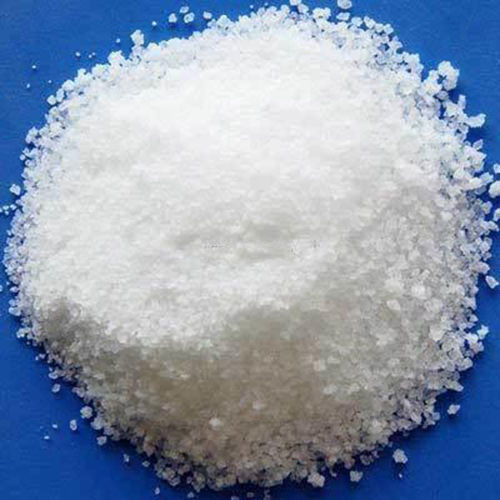
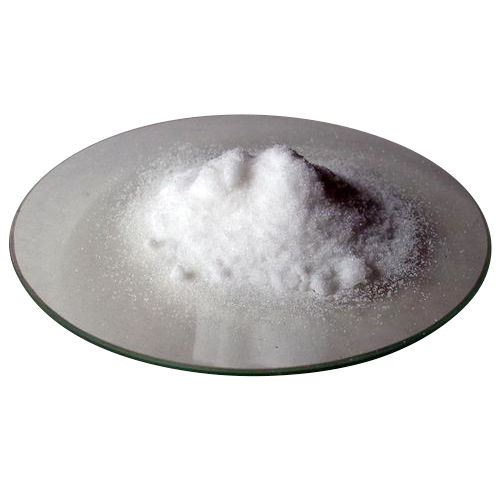
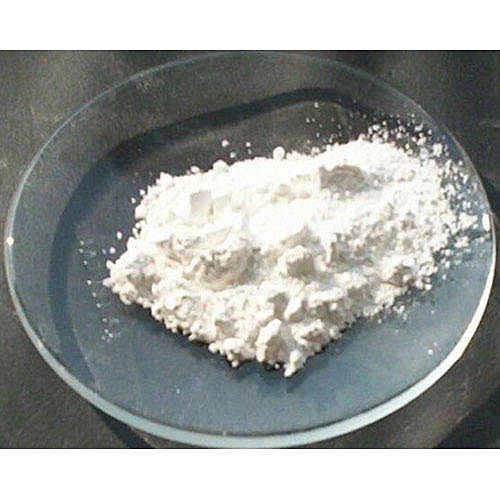
Calcium Propionate stands as a top-choice preservative, pivotal in industrial and food applications for its special anti-microbial properties. This towering compound is available as a white crystalline powder or granules, renowned for its easy water solubility, and robust compliance with FAO/WHO, FDA, and EU standards (E282). Manufactured by neutralizing propionic acid with calcium hydroxide, its remarkable stability and purityminimum 98%, with very low lead and arsenicmake it an ideal safeguard for bakery items, dairy, processed meats, animal feed, and pharmaceuticals. Supplied in secure, lined 25kg bags, this food-grade organic salt ensures prolonged shelf life and reliable safety when used as directed.
Extensive Commercial Uses and Competitive Advantages
Calcium Propionate is widely accessed by industries for preserving bakery products, processed meat, dairy, and pharmaceutical goods. Its anti-microbial efficacy is remarkable, reducing spoilage and extending product shelf life. The primary competitive advantages include towering purity standards, special compliance with international regulations, and a versatile application surface. Its efficacy and safety have been remarked upon by top manufacturers and exporters globally, especially for use in food and animal feed across India and beyond.
Order Completion, Certification and Delivery Details
Prompt order completion and top-class supply chain management ensure that Calcium Propionate is delivered efficiently. FOB ports in India facilitate seamless exchange, supporting both dealer and exporter requirements. This product is certified by pivotal food safety authorities, including FDA and EU (E282), further assuring global buyers. Freight arrangements are flexible, adhering to client specifications, while the product is securely packed to withstand transit. Each order is supported with all technical documentation and compliance certifications for streamlined import and usage.
FAQs of Calcium Propionate:
Q: How should Calcium Propionate be stored for maximum shelf life?
A: Store Calcium Propionate in a cool, dry place within a tightly closed container to ensure the full 2-year shelf life and maintain its quality.
Q: What is the main application process for Calcium Propionate in food production?
A: Calcium Propionate is often added during the mixing stage of dough or batter in bakery and other food preparations to inhibit mold and extend shelf life.
Q: Where does Calcium Propionate derive its anti-microbial properties from?
A: The anti-microbial effect is due to its ability to neutralize propionic acid, effectively inhibiting mold and bacterial growth in food products.
Q: When is Calcium Propionate typically used in processed meat and dairy applications?
A: Calcium Propionate is incorporated during processing or packaging stages to provide ongoing protection against spoilage during storage and distribution.
Q: What are the benefits of choosing Calcium Propionate as a preservative?
A: This preservative offers towering microbial safety, non-toxic performance at recommended doses, and exceptional compatibility with both food and feed products.
Q: How is Calcium Propionate certified for food use?
A: It is remarked as safe and effective, holding approvals from FDA, EU (E282), and complying with FAO/WHO food additive standards.







 Send Inquiry


 Send Inquiry


