About Potassium Tartrate
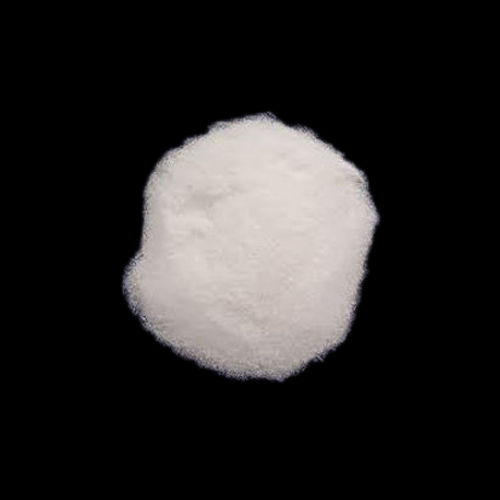
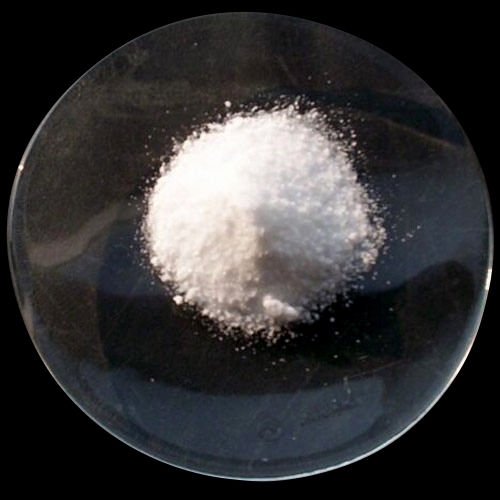
Take advantage of the Top-tier Potassium Tartrate, a paragon in the world of inorganic additives. This special compound appears as a white crystalline powder and is stable under recommended storage conditions for up to 2 years. With a terrific purity rate of 99% minimum, it excels as a versatile additive and emulsifier in the food, pharmaceutical, laboratory, and ceramics industries. Championing safety, it meets FCC/USP standards, containing less than 2 ppm lead and less than 10 ppm iron. Available in 25 kg bags, it is soluble in water, odorless, and slightly saline in taste.
Versatile Usage & Applications
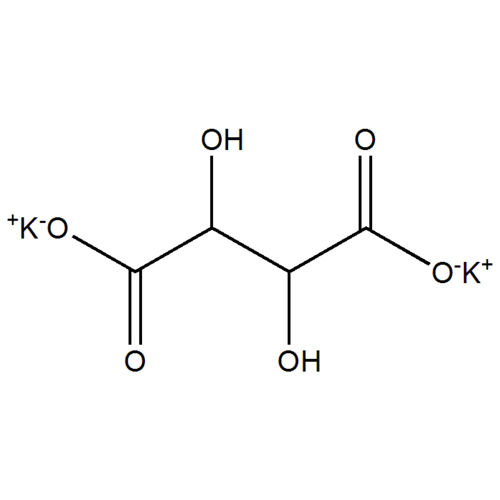
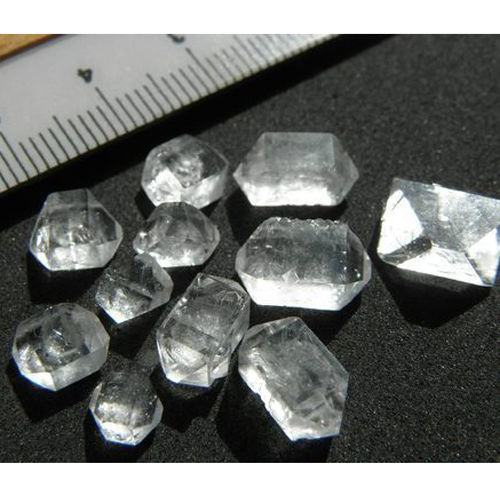
Potassium Tartrate stands out as a champion for various uses: as a food additive, effective emulsifier, laboratory reagent, pharmaceutical ingredient, and ceramics material. This special inorganic salt, with a molecular formula of K2C4H4O6, maintains stability and meets the highest quality standards. Available in powder or granular form, it is a terrific choice for food and industrial grade applications, with its white, odorless crystals lending versatility to diverse industries.
Export & Domestic Market Scope
Potassium Tartrate enjoys top rating in export markets, notably serving India with both dealer and supplier channels. The main FOB port supports prompt logistics and transportation, ensuring reliable delivery. Whether for manufacturers or retailers, the products favorable logistics facilitate smooth domestic distribution and export. Assured by excellent shipping rates and storage protocols, Potassium Tartrate continually addresses the needs of the industrial and food sectors across major markets.
FAQs of Potassium Tartrate:
Q: How should Potassium Tartrate be stored to maintain stability?
A: Potassium Tartrate should be stored in a cool, dry place inside a tightly closed container, allowing it to remain stable and effective for up to 2 years.
Q: What are the main applications of Potassium Tartrate?
A: Potassium Tartrate is widely used as a food additive, emulsifier, ingredient in pharmaceutical preparations, laboratory reagent, and in the ceramics industry due to its reliable material features.
Q: When can Potassium Tartrate be safely used in food products?
A: Potassium Tartrate meets FCC/USP standards and is available in food grade purity, making it safe for use in a variety of food products and related processes.
Q: Where is Potassium Tartrate primarily exported from, and who benefits?
A: Major exports of Potassium Tartrate originate from India, benefiting manufacturers, suppliers, retailers, and dealers involved in food, pharmaceuticals, and industrial applications.
Q: What process ensures the quality of Potassium Tartrate during transportation?
A: Standardized packaging in 25 kg bags and adherence to strict storage guidelines with controlled logistics ensure Potassium Tartrate retains its quality during transportation.
Q: How does using Potassium Tartrate benefit laboratory and industrial processes?
A: Potassium Tartrates high purity, stability, and solubility in water make it a paragon for laboratory reagents and industrial additives, delivering effective, consistent results.







 Send Inquiry


 Send Inquiry


