About Cadmium Acetate
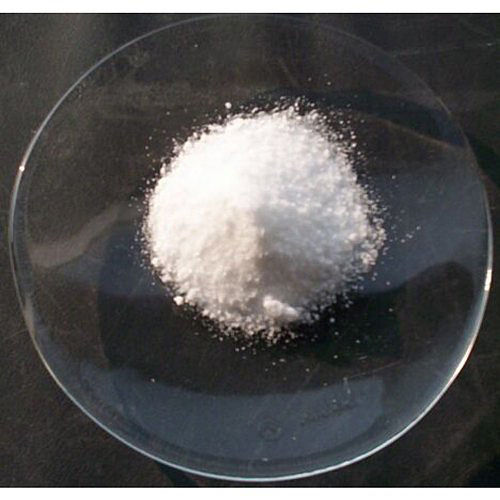
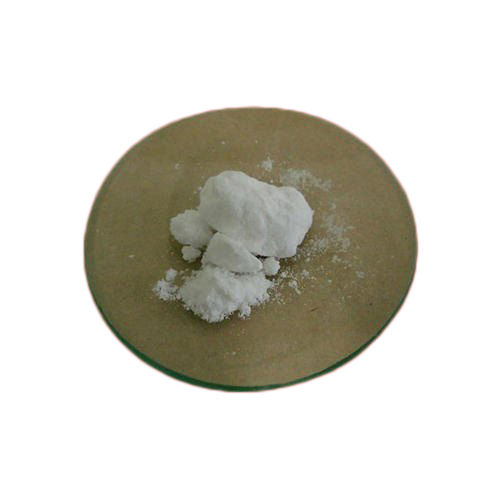
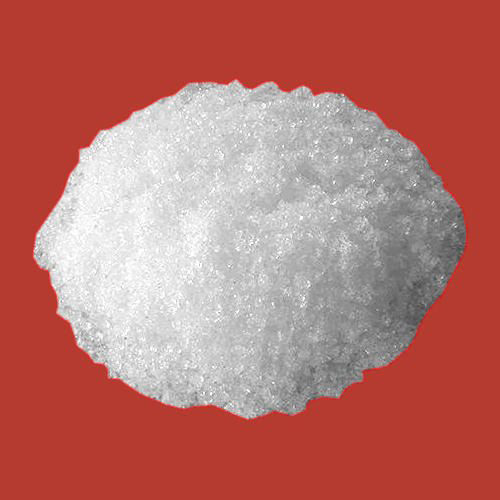
Procure the ultimate industrial reagent with Cadmium Acetate, a potent white crystalline powder boasting 99% purity. In demand across various sectors, its meritorious stability ensures performance under recommended storage conditions. With moisture content below 1%, this compound offers premium quality and reliability for your processes. Purchase confidentlyeach batch is securely packaged in plastic or fiber drums, lined with PE bags (25 kg net). This toxic yet invaluable inorganic salt, used in pigment production, electroplating, and analytical chemistry, requires careful handlingwear protective equipment and follow all regulations for disposal. Experience efficient sourcing from trusted suppliers and manufacturers across India.
Cadmium Acetate: Media & Site Utilization
Cadmium Acetate is highly valued in both industrial and laboratory applications. Its material features include high solubility in water and superior stability, making it ideal for precise analytical chemistry procedures, pigment formulation, and electroplating processes. Common application sites are chemical manufacturing facilities, research laboratories, and industrial units. Its odorless and crystalline form ensures safety in handling when proper precautionary measures are followed, delivering consistent quality and reliable outcomes for diverse chemical needs.
Order Processing & Payment Options for Cadmium Acetate
We offer streamlined order processing for Cadmium Acetate, ensuring quick handover at the designated FOB Port in India. Our payment terms are flexible to suit various customer requirements, supporting easy procurement for both domestic and international buyers. Main export markets include Asia, Europe, and the Americas. Clients can purchase with confidence, knowing all transactions are secure and guided by clear communication from initial inquiry to final delivery. Partner with us for reliable chemical sourcing and distribution.
FAQs of Cadmium Acetate:
Q: How should Cadmium Acetate be stored to maintain its stability and effectiveness?
A: Cadmium Acetate should be stored in tightly closed containers, placed in a cool and dry environment to ensure maximum stability and preserve its shelf life of up to 2 years.
Q: What safety precautions are necessary during the handling and usage of Cadmium Acetate?
A: It is crucial to use Cadmium Acetate in areas with adequate ventilation, avoid direct contact with skin and eyes, and always wear protective equipment due to its toxic properties and potential organ damage.
Q: Where is Cadmium Acetate most commonly applied?
A: Cadmium Acetate is commonly utilized in pigment manufacturing, electroplating processes, laboratory analysis, and as a reagent in chemical research and industrial facilities.
Q: What is the process for ordering Cadmium Acetate for export?
A: Orders for Cadmium Acetate undergo streamlined processing, with prompt handover at designated FOB ports in India; payment terms and export logistics are tailored for efficiency and client convenience.
Q: What are the main benefits of using Cadmium Acetate with 99% purity?
A: Using Cadmium Acetate with 99% purity ensures high-quality results in analytical applications, pigment production, and electroplating, while its stable characteristics promote reliable and efficient operations.







 Send Inquiry


 Send Inquiry


