Cadmium Carbonate
Cadmium Carbonate

Cadmium Carbonate

Cadmium Carbonate Specification

  • Purity
  • 99%
  • Boiling point
  • Not applicable (decomposes before boiling)
  • Smell
  • Odorless
  • Melting Point
  • Decomposes before melting
  • Shape
  • Powder
  • Taste
  • Odorless, tasteless
  • Form
  • Solid
  • HS Code
  • 28369990
  • Structural Formula
  • CdCO3
  • Poisonous
  • Yes
  • Other Names
  • Carbonic acid, cadmium(2+) salt
  • Molecular Formula
  • CdCO3
  • Storage
  • Store in a tightly closed container, in a cool, dry, well-ventilated area, away from incompatible substances
  • Density
  • 4.26 Gram per cubic centimeter(g/cm3)
  • Solubility
  • Insoluble in water, soluble in acids
  • Molecular Weight
  • 172.42 g/mol
  • Classification
  • Inorganic Salt, Toxic Compound
  • Chemical Name
  • Cadmium Carbonate
  • CAS No
  • 513-78-0
  • EINECS No
  • 208-168-9
  • Grade
  • Technical grade
  • Standard
  • Conforms to industrial and technical specifications
  • Type
  • Inorganic compound
  • Usage
  • Industrial, Laboratory, Synthesis of other Cadmium compounds
  • Main Material
  • Cadmium Carbonate
  • Application
  • Used in pigments, ceramics, electroplating, and chemical synthesis
  • Appearance
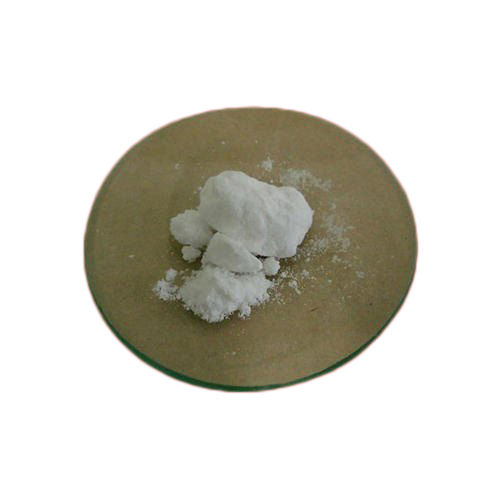
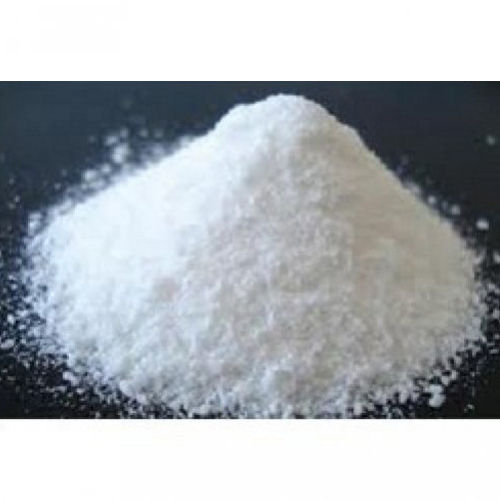
  • White crystalline powder
  • Minimum Order Quantity
  • Depends on supplier, commonly 25 kg
  • Packaging
  • Typically packed in 25 kg HDPE drums or bags
  • Regulatory Information
  • Handle according to established laboratory safety practices. Subject to TSCA and REACH regulations.
  • Stability
  • Stable under recommended storage conditions
  • Shelf Life
  • 2 years under proper storage conditions
  • MOHS Hardness
  • Approximately 3.5 - 4
  • UN Number
  • UN 2570
  • Hazard Statements
  • Toxic if swallowed or inhaled. May cause cancer. Environmental hazard.
 

Cadmium Carbonate Trade Information

  • Main Export Market(s)
  • South America, Middle East, Africa
 

About Cadmium Carbonate


Discover a hot deal on Cadmium Carbonate-a technical grade, white crystalline powder with sterling purity (99%) and unbeatable quality for industrial, laboratory, and chemical synthesis. Find this splendid inorganic compound, CAS No: 513-78-0, exclusively offered in India for use in pigments, ceramics, and electroplating. Safe handling is crucial; it is highly toxic and subject to REACH and TSCA regulations. Typically packed in 25 kg HDPE drums or bags with a two-year shelf life. Secure unbeatable market value from leading dealers, exporters, and suppliers.

Surface Application & Versatility of Cadmium Carbonate

Cadmium Carbonate offers splendid versatility for a variety of surfaces. Its primary use type includes industrial and laboratory applications where it serves as a vital compound in synthesizing cadmium salts, pigments, ceramics, and electroplating materials. The product is favored for its stable, insoluble nature in water but strong solubility in acids, making it reliable even under challenging conditions. Its technical grade ensures suitability for pigment production, ceramic glazing, and chemical manufacturing processes.


Packaging, Delivery, and Export Market Details

Cadmium Carbonate is typically handed over in 25 kg HDPE drums or bags, ensuring both safety and market value. This packaging design aligns with the requirements of export markets, making it ideal for international distribution. Delivery time depends on supplier schedules, but swift processing is prioritized to maximize efficiency. Samples may also be available for evaluation upon request, assisting buyers in making informed decisions about the product's suitability and market potential.


FAQ's of Cadmium Carbonate:


Q: How should Cadmium Carbonate be stored for maximum shelf life?

A: Cadmium Carbonate should be kept in a tightly closed container, placed in a cool, dry, and well-ventilated area, away from incompatible substances to maintain its 2-year shelf life.

Q: What is the typical process for using Cadmium Carbonate in industrial applications?

A: Cadmium Carbonate is commonly used as a precursor in the synthesis of other cadmium compounds, pigments, and ceramics. Ensure all standard safety protocols are followed due to its toxic nature.

Q: Where is Cadmium Carbonate most commonly applied?

A: It is widely used in laboratory settings, pigment manufacturing, ceramics, and electroplating industries due to its technical grade and high purity.

Q: When can I request a sample of Cadmium Carbonate for evaluation?

A: Samples are often available upon request; contact your supplier or dealer to inquire about their specific sample policy and availability.

Q: What are the regulatory considerations when handling Cadmium Carbonate?

A: This compound is subject to TSCA and REACH regulations. Proper laboratory safety practices must be strictly followed to prevent exposure, as it is highly toxic and poses environmental risks.

Tell us about your requirement
product

Price:

Quantity
Select Unit

  • 50
  • 100
  • 200
  • 250
  • 500
  • 1000+
Additional detail
Mobile number

Email

More Products in Cadmium Compound Category

Cadmium Nitrate

Cadmium Nitrate

Solubility : Highly soluble in water and alcohol

Density : 2.45 Gram per cubic centimeter(g/cm3)

Molecular Formula : Cd(NO3)2

Storage : Other, Store in a cool, dry, wellventilated area; keep container tightly closed

Type : Inorganic Compound

Molecular Weight : 236.42 g/mol

Cadmium Sulphate

Cadmium Sulphate

Solubility : Soluble in water

Density : 4.691 Gram per cubic centimeter(g/cm3)

Molecular Formula : CdSO4

Storage : Other, Store in cool, dry place, tightly closed

Type : Inorganic Chemical

Molecular Weight : 208.47 g/mol

Cadmium Sulphide Orange

Cadmium Sulphide Orange

Solubility : Insoluble in water; soluble in acids

Density : 4.82 Gram per cubic centimeter(g/cm3)

Molecular Formula : CdS

Storage : Other, Store in cool, dry place; keep container tightly closed

Type : Inorganic Pigment

Molecular Weight : 144.47 g/mol

Cadmium Metal Powder AR

Cadmium Metal Powder AR

Solubility : Insoluble in water

Density : 8.65 Gram per cubic centimeter(g/cm3)

Molecular Formula : Cd

Storage : Other, Store in tightly closed container, protected from light and moisture

Type : Metal Powder

Molecular Weight : 112.41 g/mol


Back to top