About Crystal Violet
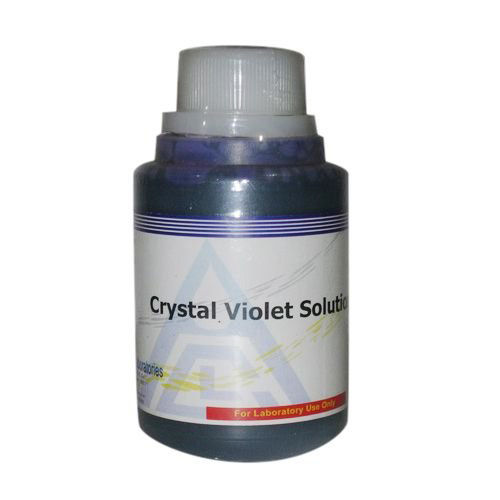
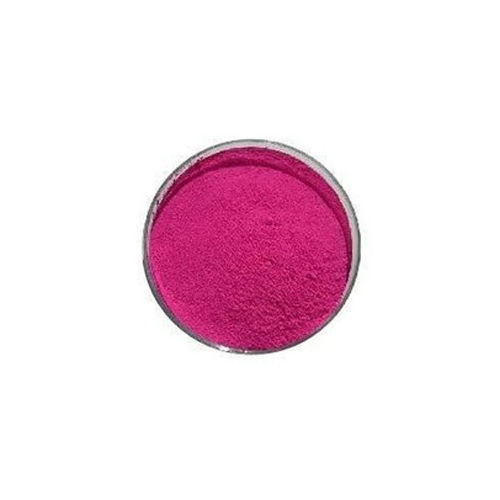
Discover the celebrated and lofty Crystal Violetyour new hot deal at an unbeatable price. This excellent analytical-grade dye appears as a dark greenish or purple-bronze crystalline powder, boasting a purity 90% and exceptional stability. Ideal for laboratory and industrial use, Crystal Violet serves as a trusted pH indicator, biological stain, antiseptic, and more. With a shelf life of 23 years and solubility in water, ethanol, and acetone, it meets the highest standards. Available in various packaging options, it is truly a top choice for professionals across India.
Competitive Advantages & Material Features of Crystal Violet
Crystal Violets primary competitive advantages include its lofty purity, celebrated analytical grade, and proven stability under recommended storage. This basic dye is excellent for biological staining and analytical chemistry, and possesses high solubility in multiple solvents. Specifically used as a staining agent in laboratories and for bacteriological and antifungal purposes, it offers versatility for diverse scientific applications. General usage encompasses research, diagnostics, and educational experiments, affirming its indispensable role in professional laboratory settings.
Crystal Violet Delivery Time, Packaging, and FOB Port
We ensure prompt freight movement and competitive valuation for all Crystal Violet orders. Products are securely packaged in robust HDPE or glass bottles, with custom packing available. Standard delivery times are minimized to optimize workflow for every dealer, exporter, or manufacturer. Shipments originate from trusted FOB ports across India, guaranteeing reliability and timely receipt. Each phase of packaging and logistics is meticulously managed for safe transit and product integrity every time.
FAQs of Crystal Violet:
Q: How should Crystal Violet be stored to maintain its stability and shelf life?
A: Crystal Violet should be stored in a cool, dry, and well-ventilated area away from direct sunlight to ensure its stability and maintain its 23 year shelf life.
Q: What are the main uses of Crystal Violet in laboratories and industry?
A: Crystal Violet is primarily used as a staining agent, pH indicator, antiseptic, and in analytical chemistry. It is also applied for bacteriological and antifungal purposes in laboratory and industrial settings.
Q: When does Crystal Violet decompose, and what is its melting point?
A: Crystal Violet decomposes before boiling and has a melting point of 226232C, at which point it breaks down rather than liquefying.
Q: Where is Crystal Violet commonly supplied from, and in what forms is it available?
A: Crystal Violet is commonly supplied from India in powder or crystalline solid form, packed in HDPE bottles, glass bottles, or customized packaging per client specifications.
Q: What is the process for using Crystal Violet as a pH indicator?
A: Crystal Violet can be used as a pH indicator by preparing a 1% aqueous solution, where its color shifts depending on the pH level of the solution tested.
Q: Is Crystal Violet safe for food, drug, or household use?
A: No, Crystal Violet is strictly intended for laboratory and industrial applications. It is toxic if ingested or inhaled and should not be used in food, drug, or household products.







 Send Inquiry


 Send Inquiry


