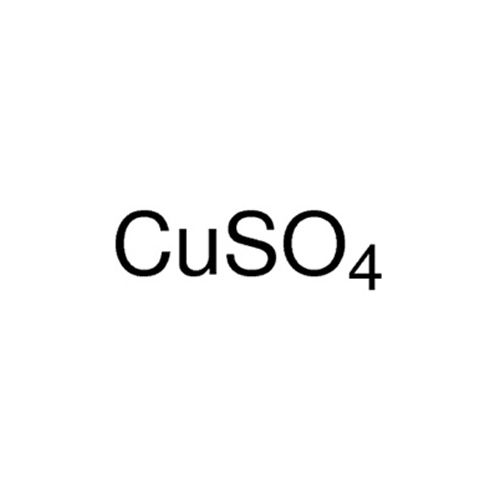
About Cupric Sulphate Pentahydrate
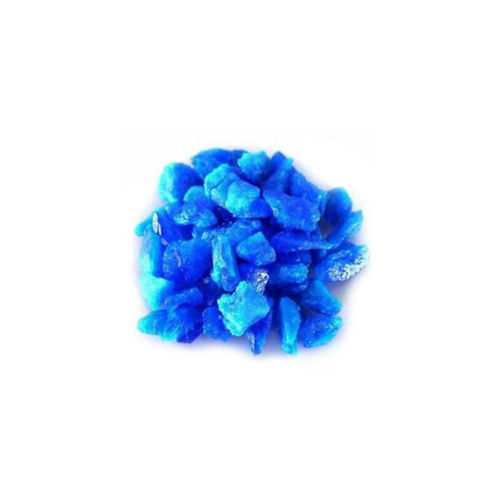
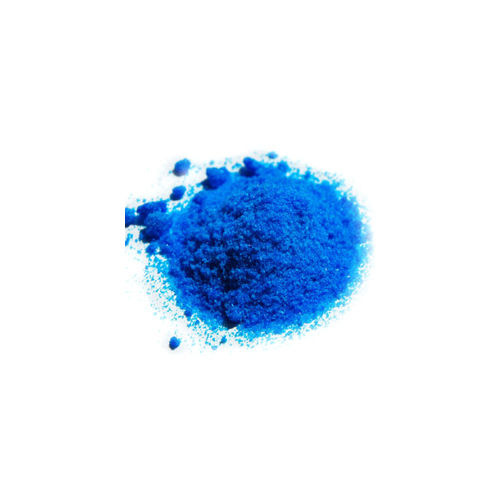
Cupric Sulphate Pentahydrate, often called Blue Vitriol or Bluestone, is a transcendent inorganic chemical renowned for its bright blue crystalline appearance. Available in granular, powder, or crystal forms, it offers a valiant solution for agriculture, animal feed, electroplating, fungicide, and various industrial applications. Stable under proper conditions, its astringent, metallic taste signals toxicity, making it imperative for safe handling. This popular product is supplied in secure HDPE bags and boasts a minimum purity of 99%. Experience unbeatable quality at the best priceAdd to Cart today for laboratory, agricultural, and industrial excellence.
Broad-Spectrum Applications and Practical Usage
Cupric Sulphate Pentahydrate is widely utilized in agriculture, animal feed, electroplating, and industrial sectors. Its versatile crystalline form makes it suitable for surfaces ranging from laboratory glassware to agricultural equipment. As an inorganic salt, it finds application in fungicides, algaecides, and water treatment. Choose the ideal grade, whether technical, industrial, or laboratory, to match your specific usage needs and ensure valiant performance across every field.
Sample Availability and Global Delivery Services
Request a sample of Cupric Sulphate Pentahydrate to verify quality before purchase. As a dealer, exporter, manufacturer, and supplier, we serve a transcendent range of markets worldwide, including India. With drop-off and arrival estimates provided, your order reaches you promptly within the estimated delivery timeframe. Our streamlined export process guarantees reliability and commitment whether you need a small trial or large-scale supply.
FAQs of Cupric Sulphate Pentahydrate:
Q: How should Cupric Sulphate Pentahydrate be stored for optimal stability?
A: Store in a cool, dry, well-ventilated area away from incompatible substances like strong acids, alkalis, and finely powdered metals. Proper storage ensures stability and preserves shelf life for up to two years.
Q: What are the recommended application areas for Cupric Sulphate Pentahydrate?
A: It is popularly used in agriculture, animal feed, electroplating, fungicides, algaecides, and industrial processes. Laboratories also utilize this inorganic chemical in research and testing.
Q: Where can samples of Cupric Sulphate Pentahydrate be requested?
A: Samples are available for prospective buyers and can be arranged by contacting your local dealer, exporter, manufacturer, supplier, or retailer. This allows you to confirm product quality before a large order.
Q: What is the benefit of selecting technical, industrial, or laboratory grades?
A: Choosing the appropriate grade ensures the chemicals purity and performance match your application needs, offering unmatched efficiency for specific industry requirements.
Q: How is delivery time estimated for orders of Cupric Sulphate Pentahydrate?
A: Delivery times are provided using arrival and drop-off estimates, depending on export market destinations and available logistics. Timely delivery is ensured through a streamlined dispatch process.







 Send Inquiry


 Send Inquiry


