About Lead Bromide
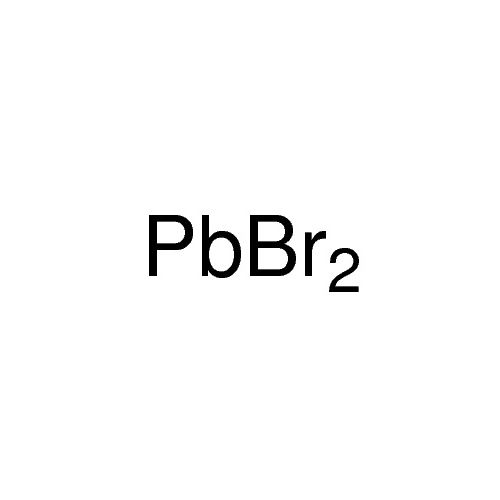
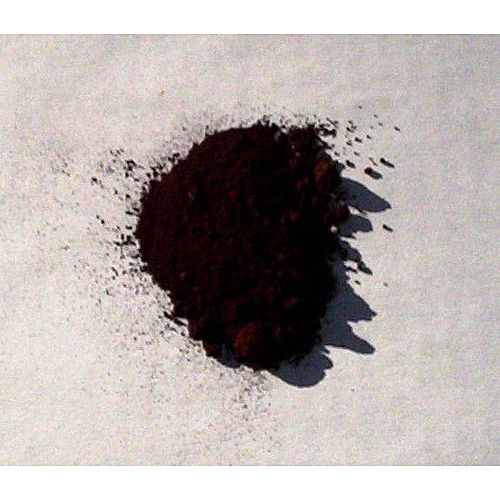
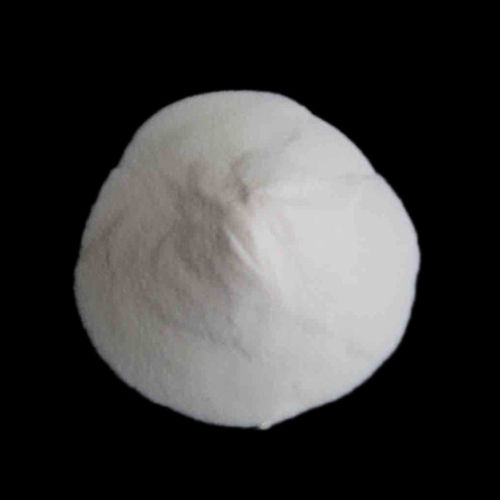
Reserve your supply of premier Lead(II) Bromidean illustrious inorganic compound recognized by its white to pale yellow crystalline form and outstanding AR-grade purity exceeding 99%. With unbeatable chemical stability when stored appropriately, Lead Bromide features orthorhombic crystals, is odorless, and non-conductive in solid state. Order confidently: each batch is sealed in robust HDPE bottles or glass to ensure uncompromised integrity. Used expansively as a laboratory reagent, in photographic processes, and leading-edge solar cell research, our product offers both dependable quality and reliable sourcing from reputable dealers, exporters, and manufacturers across India. Get your quotation today!
Lead Bromide: Applications and Uses
Lead(II) Bromide is widely used as both a premier laboratory reagent and in industrial applications. This analytical reagent is essential in photographic processes and chemical research, especially in the development of lead halide perovskite solar cells. Apply it by carefully measuring the needed quantity according to your standard laboratory methodologies. Whether for specialized research or general reagent use, its stability and analytical grade specification ensure reliable results for scientific and industrial professionals alike.
Lead Bromide: Supply, Packaging, and Logistics
Estimate your requirements with confidenceLead Bromide is available in consistent supply, offered in sealed HDPE bottles or glass containers to guarantee safety. We present unbeatable quotations for bulk and laboratory orders. FOB Port options are flexible for your convenience, ensuring secure transport from recognized suppliers, exporters, and manufacturers in India. Request a detailed offer today, specifying your volume and packaging preferences to benefit from prompt and reliable delivery.
FAQs of Lead Bromide:
Q: How should Lead(II) Bromide be safely stored and handled?
A: Lead(II) Bromide should be stored in tightly closed containers, placed in a cool, dry, and well-ventilated area. Always use appropriate personal protective equipment (PPE) and follow the precautionary statements P261, P280, P301+P312, P304+P340, P405, and P501 to minimize hazards during handling.
Q: What are the main applications of Lead Bromide?
A: Lead Bromide is primarily used as a laboratory reagent, in photographic processes, and in research focusing on lead halide perovskite solar cells. Its stable and high-purity properties make it suitable for analytical and scientific purposes.
Q: When is Lead Bromide considered hazardous and what precautions are necessary?
A: Lead Bromide is hazardous if ingested or inhaled and decomposes to release toxic bromine fumes. It carries significant health and environmental risks, so it is essential to follow proper hazard protocols, utilize correct storage, and ensure waste is disposed of responsibly.
Q: Where can I obtain a quotation for Lead Bromide and what packaging options are available?
A: Quotations can be obtained directly from certified dealers, exporters, manufacturers, and suppliers in India. Packaging is typically offered in sealed HDPE bottles or glass containers to preserve the products integrity during shipping.
Q: What are the environmental considerations when using Lead(II) Bromide?
A: Lead Bromide is very toxic to aquatic life; thus, it must be managed carefully to prevent environmental contamination. Proper disposal procedures and environmental precautions should always be observed to limit ecological impact.









 Send Inquiry


 Send Inquiry


