About Magnesium Phosphate
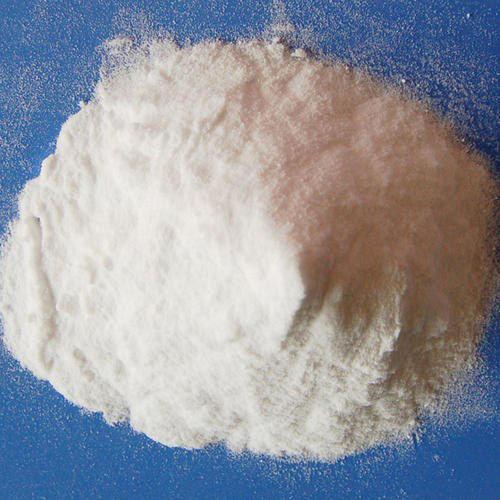
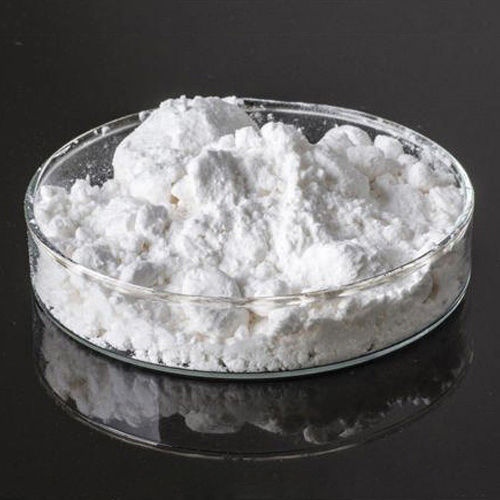
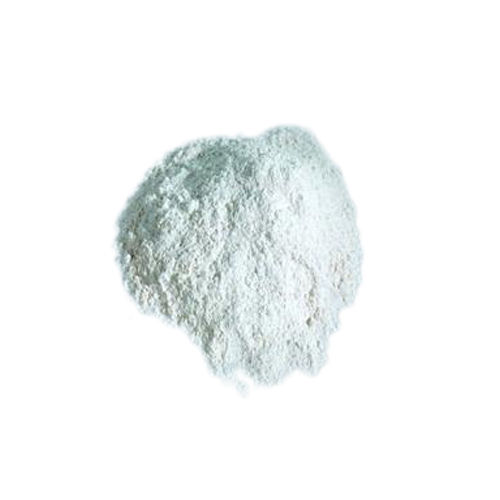
Order Magnesium Phosphate today to receive a dazzling deal on this pristine white crystalline powder. Supplied by a leading dealer, manufacturer, and exporter in India, our product promises excellence with food and industrial grade purity of 98%99%. Safe, non-poisonous, and odorless, it fits seamlessly into food supplements, fertilizers, pharmaceuticals, and ceramics. Secure significant savings with our exclusive discount rates for bulk orders. Available in 25 kg bags/drums and customizable particle sizes, our magnesium phosphate remains stable, ensuring a shelf life of 2 years under proper storage. Elevate your production standards with our high-grade offer.
Key Applications & Versatile Usage of Magnesium Phosphate
Magnesium Phosphate is a superior nutritional additive and chemical intermediate acclaimed for its excellent adaptability. It is widely used as a food supplement to boost magnesium intake and enhance product value. Applied to plants as a fertilizer, it improves soil health and crop quality. In pharmaceuticals, it serves as a reliable excipient, and in ceramics, it increases structural integrity. Its surface applications promote efficient dispersion and utility across multiple industries.
Export Markets, Certifications & Sample Policy Insights
Magnesium Phosphate from India commands excellent rates in major international markets, including the Middle East, Asia, Europe, and America. Certified to meet stringent industry and food standards, each batch is quality-assured and traceable. Customers can estimate delivery schedules and costs with clarity, and sample policies are transparentoffering sample provision upon request to aid your evaluation. Our streamlined export processes ensure timely and efficient delivery, cultivating trust in global trading relationships.
FAQs of Magnesium Phosphate:
Q: How can Magnesium Phosphate be used in food and fertilizer industries?
A: Magnesium Phosphate is used as a nutritional additive in food supplements to enhance magnesium intake and as a fertilizer to improve soil health and plant growth.
Q: What is the shelf life and best storage process for Magnesium Phosphate?
A: The product maintains stability with a shelf life of 2 years when stored in a cool, dry place with tightly sealed packaging to preserve its pristine condition.
Q: When should I place my order to benefit from discounts or dealer deals?
A: Orders placed in bulk quantities or during promotional periods may be eligible for attractive discounts and special deals; consult your supplier for ongoing offers.
Q: Where is Magnesium Phosphate mainly exported from, and what markets are served?
A: Magnesium Phosphate is primarily exported from India, serving major markets in Asia, Middle East, Europe, and America.
Q: What are the main benefits of using Magnesium Phosphate in pharmaceuticals or ceramics?
A: In pharmaceuticals, it acts as a safe excipient for various formulations, while in ceramics, it enhances structural integrity and thermal stability.
Q: How is Magnesium Phosphate packaged and what forms are available?
A: It is packaged in 25 kg bags or drums, with customizable particle sizes, and is available as a powder or granules depending on your process requirements.








 Send Inquiry


 Send Inquiry


