About Mercuric Acetate
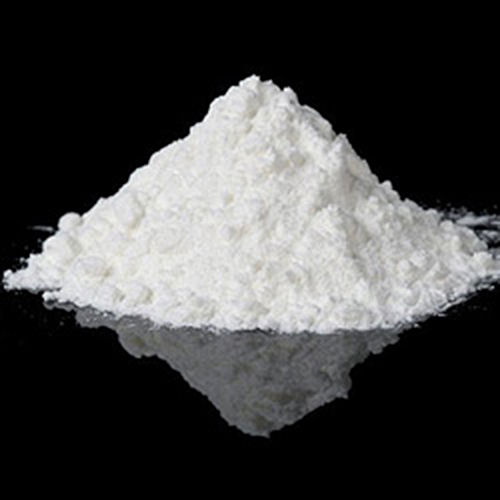
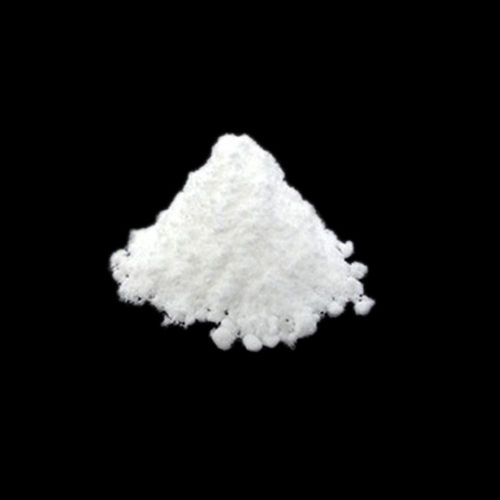
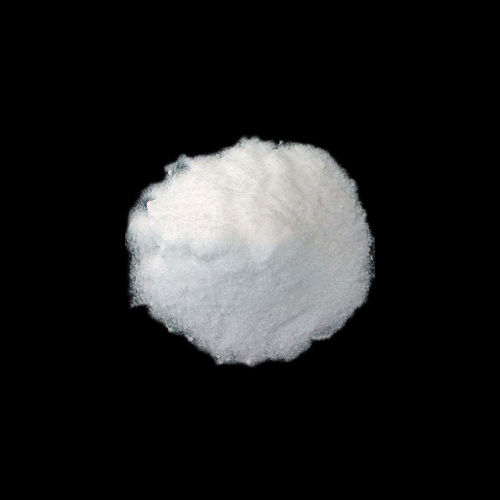
Experience unassailable quality with our Mercuric Acetateoffered at a Special Rate for Advance Purchase and Instant Checkout. This immaculate, white crystalline powder boasts a purity greater than 98% and exceptional stability under recommended storage conditions. With a decomposition temperature of 177C, it remains superbly reliable for laboratory and industrial APIs. Sealed in protective containers to guarantee safety and longevity, it is suited for chemical synthesis and analytical applications. Please note: Mercuric Acetate is toxic and hazardousstringent precautionary measures are mandatory. Store responsibly for an unassailable safety profile.
Versatile Application and Usage Directions
Mercuric Acetate is suitable for a wide range of laboratory analyses and chemical syntheses due to its superb purity. For optimal safety and performance, always handle using full protective equipment and ensure good ventilation. The compounds surface of application is strictly within controlled laboratory or industrial environments, away from incompatible materials and open flames. Follow prescribed protocols to minimize exposure and prevent contamination, while ensuring all operations are completed in designated chemical handling areas.
Export Markets, Rates, and Packaging Standards
Our Mercuric Acetate is available for global export with a transparent Rate and minimal Sample Charge policy. It is supplied both domestically across India and to key international markets where reagent-grade materials are in high demand. Packaging details adhere to stringent standards: each shipment is sealed in robust containers, clearly labeled, and compliant with environmental and hazard regulations. Special rates and flexible packaging are available upon request for bulk and recurring domestic mar orders.
FAQs of Mercuric Acetate:
Q: How should Mercuric Acetate be safely handled and stored?
A: Mercuric Acetate must be handled with full personal protective equipment, in well-ventilated areas. Store it in tightly closed containers, away from light, heat, and moisture, in a cool, dry place to maintain stability and safety.
Q: What are the recommended surfaces and methods for applying Mercuric Acetate?
A: Application should only be performed on laboratory work surfaces specifically designated and resistant to chemical exposure, using appropriate glassware or apparatus suitable for heavy metal salts.
Q: When does Mercuric Acetate begin to decompose, and what precautions should be taken?
A: Mercuric Acetate decomposes at 177C. Always conduct procedures at lower temperatures, and avoid heating the compound above its decomposition point to prevent hazardous decomposition products.
Q: Where is Mercuric Acetate predominantly used and exported?
A: This compound is predominantly used in laboratory chemical synthesis and analytical chemistry, exported mainly to regions requiring high-purity reagents, including domestic and international scientific markets.
Q: What is the benefit of advance purchase and instant checkout for Mercuric Acetate?
A: Advance Purchase and Instant Checkout options offer customers access to special rates, guaranteed stock availability, and prompt order fulfilment tailored to laboratory, dealer, and exporter requirements.







 Send Inquiry


 Send Inquiry


