About Potassium Dichromate
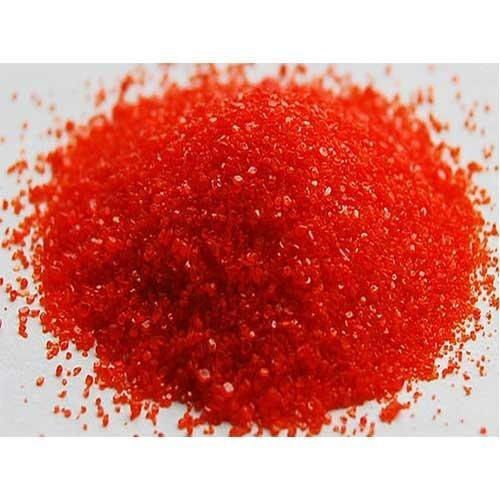
Spotlight on Potassium Dichromate: a rare laboratory essential recognized for its lustrous, bright orange-red crystalline form. Prime for chemical applications, this decorated oxidizing agent is highly sought after in analytical chemistry, industrial cleaning, textile dyeing, tanning, and photography. Stable under normal conditions, its purity exceeds 99% (typical) with a molecular formula of K2Cr2O7. Available in 500g, 1kg, and 25kg HDPE containers or drums, it delivers a hot deal to those demanding precision. Handle with care due to its poisonous, carcinogenic properties. UN 3086 certified, conforms to ACS/ISO standards.
Potassium Dichromate: Commercial Uses and Major Applications
Potassium Dichromate is widely used by laboratories, industrial chemists, and manufacturers. Its primary role as a powerful oxidizing agent makes it invaluable in research, analytical chemistry, and industrial applications. It is notably used as a laboratory reagent, cleaning agent, textile dyeing agent, and in the tanning and photography industries. Its rare stability under normal conditions and high purity ensure that its a prime choice for tasks requiring reliability and effectiveness in a range of commercial settings.
Supply Ability, Outlay, and Market Reach for Potassium Dichromate
We guarantee robust supply ability to meet industrial and laboratory demands, offering Potassium Dichromate in a range of packing and dispatch formats, including secure HDPE containers and drums. Flexible payment terms are available for your convenience, facilitating smooth outlay and shipment processes. Our main domestic market includes all major regions of India, with shipment and delivery conducted in accordance with strict safety and environmental standards to ensure premium product integrity and customer satisfaction.
FAQs of Potassium Dichromate:
Q: How should Potassium Dichromate be stored to maintain its stability and shelf life?
A: Potassium Dichromate should be stored in tightly closed containers, away from organic materials and reducing agents, in a cool, dry location. Proper storage allows a shelf life of 35 years.
Q: What are the recommended safety precautions when handling Potassium Dichromate?
A: Use protective equipment such as gloves, goggles, and lab coats. Avoid inhalation, ingestion, and contact with skin, as Potassium Dichromate is highly toxic and carcinogenic.
Q: Where is Potassium Dichromate mainly used in industrial and laboratory settings?
A: It is primarily used in laboratories for analytical chemistry and research, as well as various industries for textile dyeing, tanning, cleaning, and photographic processing.
Q: What makes Potassium Dichromate a preferred reagent in chemical processes?
A: Its rare stability, high purity, and superior oxidizing properties make it a prime choice for precise and reliable results in laboratory and commercial chemical reactions.
Q: How is the packing and shipment of Potassium Dichromate arranged for bulk orders?
A: It is supplied in sturdy HDPE containers or drums of 500g, 1kg, or 25kg, ensuring safe outlay, packing, and dispatch. Shipments follow strict hazardous material guidelines for safety.









 Send Inquiry


 Send Inquiry


