About Potassium Iodide
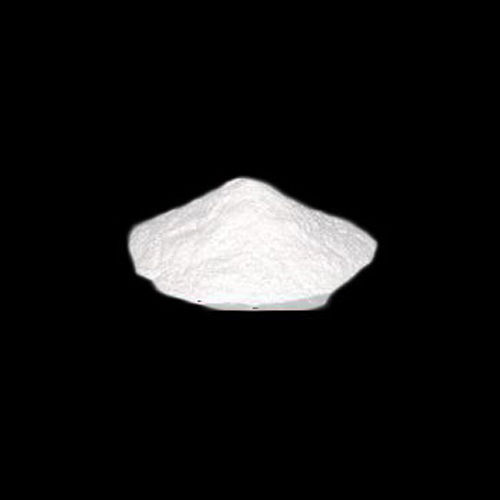
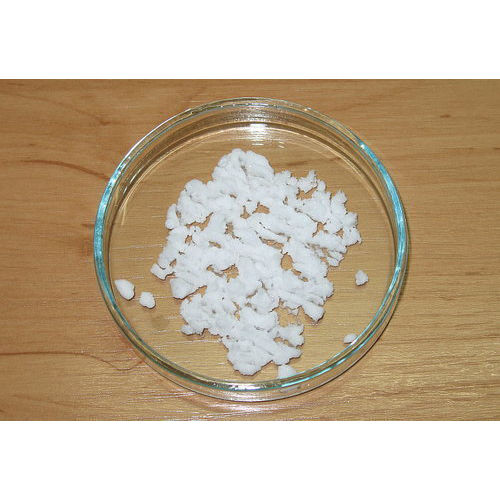
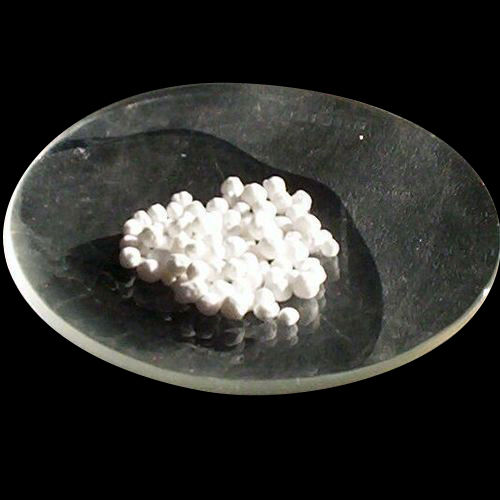
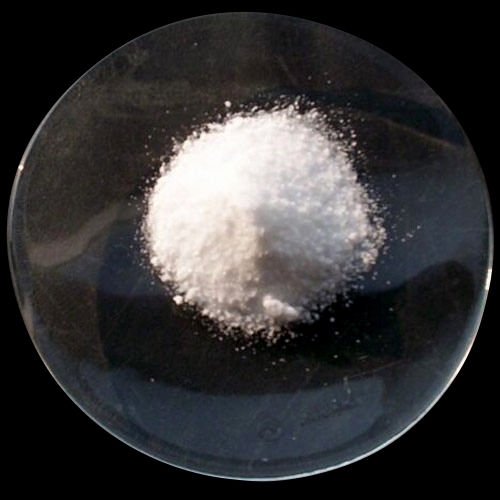
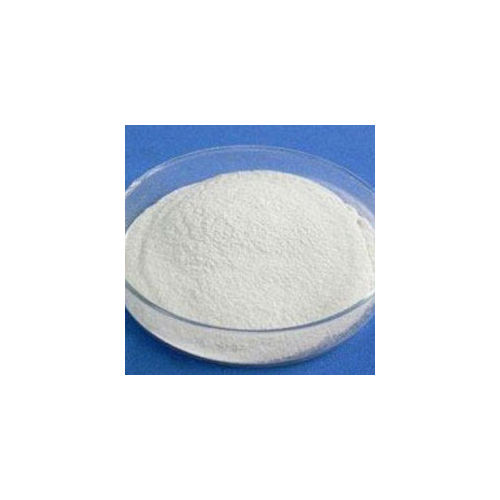
Potassium Iodide (KI) is a highly recommended, customizable inorganic salt renowned for its fresh, white crystalline solid appearance. This opulent compound boasts an unprecedented purity of minimum 99% and a wondrous versatility, serving as a chemical intermediate, laboratory reagent, and pharmaceutical ingredient. Stable under normal conditions yet sensitive to light, Potassium Iodide meets FCC, BP, and USP standards. It is perfect for use in photographic emulsions, nutrition, radiation protection, analytical chemistry, and iodine preparations. Offered in technical, pharma, and reagent grades, it remains non-hazardous during transport and is available in various packaging options.
Potassium Iodide: Distinct Features and Versatile Applications
Potassium Iodide offers a host of special features including high stability and customizable grades that meet analytical, pharmaceutical, and industrial standards. Its wondrous solubility makes it suitable for diverse surface applications such as glass, solutions, and laboratory setups. This opulent material is further marked by a neutral pH, odorless nature, and saline, bitter taste, ensuring adaptability in both chemical and pharmaceutical environments.
Potassium Iodide: Packaging, Sampling, and Certifications
Valuation of Potassium Iodide is enhanced by robust packaging optionsshipped in 25 kg bags or drums and can be dispatched as per specific client requirements. Sample policies are customizable upon request. Shipments are certified to meet FCC, BP, USP, and other industry benchmarks. Every batch is carefully evaluated before dispatch to ensure compliance with applicable standards and provide unmatched reliability for dealers, exporters, and suppliers.
FAQs of Potassium Iodide:
Q: How should Potassium Iodide be stored to maintain its stability?
A: Potassium Iodide should be stored in tightly closed containers, in a dry and well-ventilated area, away from light and moisture. This helps prevent degradation and preserves its stability for a minimum of two years.
Q: What are the main applications of Potassium Iodide?
A: Potassium Iodide is primarily used in the pharmaceutical industry, photographic emulsions, nutrition supplements, analytical chemistry, and as a reagent for preparing iodine solutions.
Q: When does Potassium Iodide turn yellow and why?
A: Potassium Iodide turns yellow upon exposure to air due to the liberation of iodine. This occurs particularly if stored improperly or exposed to light for extended periods.
Q: Where can Potassium Iodide be applied?
A: Potassium Iodide can be applied on various surfaces like glass, laboratory setups, and within solution mixtures for both industrial and pharmaceutical settings.
Q: What is the benefit of choosing high-purity Potassium Iodide?
A: Selecting high-purity Potassium Iodide ensures optimal performance, regulatory compliance, and enhanced efficacy in pharmaceutical, analytical, and laboratory processes.
Q: How is Potassium Iodide shipped and what certifications does it meet?
A: Potassium Iodide is typically shipped in 25 kg bags or drums and can be dispatched according to specific requirements. Every shipment meets FCC, BP, and USP certifications, ensuring reliable quality and regulatory compliance.







 Send Inquiry


 Send Inquiry


