About Potassium Pyroantimonate
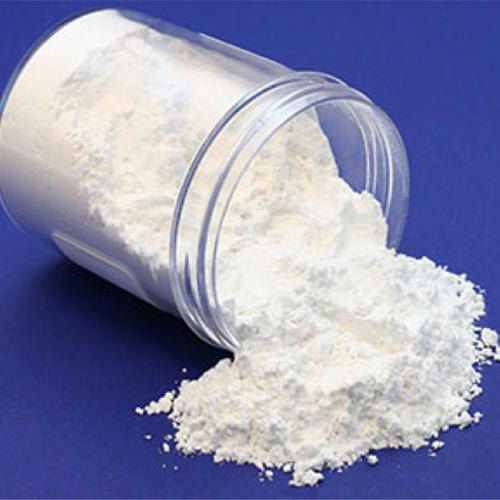
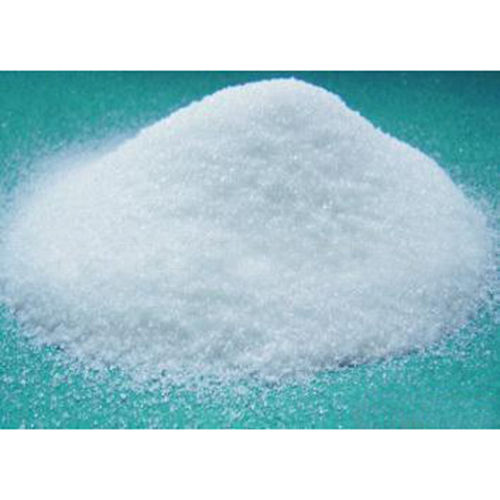
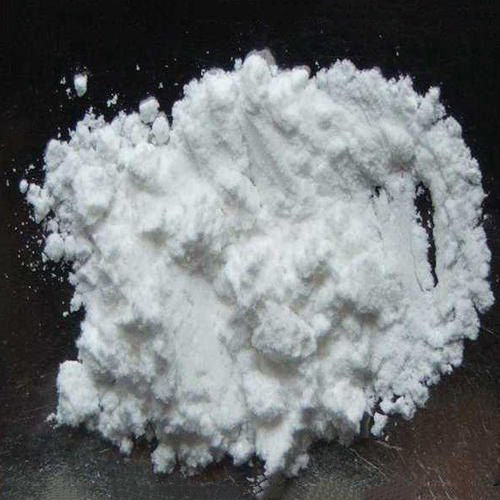
Potassium Pyroantimonate is a highly recommended, premium inorganic chemical championed for laboratory and research settings. Presenting as a grand white crystalline powder, it boasts instant savings for bulk procurements and is the ace choice for analytical reagents and sodium precipitation. Stable under normal conditions with a 2-year shelf life, it remains safe when stored correctly. Available in 500g or 1kg sealed bottles, with a minimum order of 25g, this product is suited for global exporters, dealers, and producers seeking reagent-grade excellence.
Comprehensive Utility and Versatile Applications
Potassium Pyroantimonate, a distinguished inorganic compound, is primarily used as an analytical reagent in laboratory environments. Best suited for wet chemistry, it is applied via standard reagent techniques or precipitation methods, notably for sodium separation or biochemistry research. Its use type spans universities, research institutes, and analytical labs, where precise and controlled handling is essential. Utilized by experienced chemists, its ace performance ensures reliable and reproducible results in scientific investigations and academic studies.
Grand Export Capability and Premium Supply Efficiency
Potassium Pyroantimonate commands worldwide demand, demonstrating grand export prowess across international scientific and industrial markets. With robust supply capacity, exporters from India guarantee swift fulfillment and express shipping options to meet urgent research and industrial needs. Premium sample availability allows clients to evaluate product quality before final procurement. Whether you require consistent volumes or custom quantities, trusted suppliers deliver this reagent-grade compound efficiently, supporting laboratories, research centers, and bulk buyers on a global scale.
FAQs of Potassium Pyroantimonate:
Q: How should Potassium Pyroantimonate be stored to maintain its stability?
A: Potassium Pyroantimonate should be stored in a tightly sealed container, placed in a cool, dry area away from strong acids and oxidizing agents to ensure optimal stability and shelf life.
Q: What are the primary uses of Potassium Pyroantimonate in laboratories?
A: The compound is commonly utilized as an analytical reagent for the precipitation of sodium and plays a vital role in biochemistry research and other laboratory analytical techniques.
Q: Where can Potassium Pyroantimonate be supplied and shipped?
A: This product is available for export worldwide, with robust supply chains and express shipping solutions for buyers in research institutions, universities, and industrial labs across the globe.
Q: What process should be followed to safely handle Potassium Pyroantimonate?
A: Proper laboratory safety protocols should be observed: use protective gloves, eyewear, and work within a well-ventilated area, as the compound can be harmful if inhaled or swallowed and may irritate eyes and skin.
Q: What are the benefits of selecting reagent grade Potassium Pyroantimonate from India?
A: Sourcing from India offers premium quality, high purity (99% minimum), and reliable supplyenabling instant savings and assured compliance with analytical reagent standards for cutting-edge research.








 Send Inquiry


 Send Inquiry


