About Silver Oxide
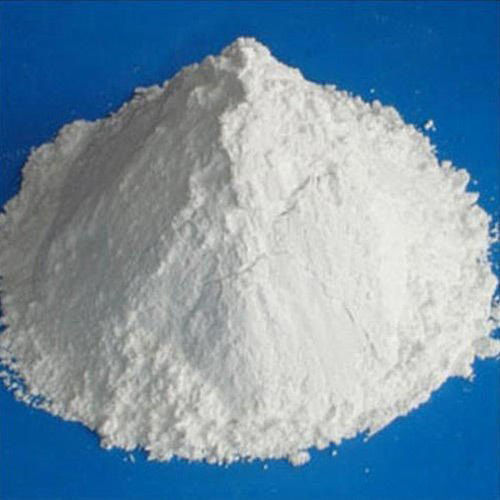
Discover our exclusive Silver Oxide (Ag2O), a stellar inorganic compound presented as a dark brown to black fine powder or crystalline solid. Renowned for its brilliance and magnified purity (minimum 99%), this product is highly stable under optimal conditions yet sensitive to light. Manufactured using a highlighted chemical precipitation process, it stands out for its top-tier analytical reagent and battery-grade standards. Magnificent for use in battery manufacturing, catalysts, and chemical reagents, our Silver Oxide guarantees the best price with dependable delivery from a leading dealer, exporter, and supplier in India.
Competitive Advantages and Applications of Silver Oxide
Silver Oxides highlighted features include its magnificent purity, stable properties, and stellar compatibility with battery applications, catalysts, and chemical reagents. Its competitive edge comes from meeting both analytical reagent and battery grade standards, ensuring reliable performance in advanced industries. With its brilliant particle size control and shelf life of 12 months, Silver Oxide is a preferred choice across electronics, pharmaceuticals, and chemical laboratoriesproving indispensable for innovations in button cell battery manufacturing, catalyst processes, and antiseptics production.
Packaging, Supply Readiness, and Domestic Market Reach
Silver Oxide is delivered in sealed HDPE drums or pouches, protecting its stellar quality during storage and transit. Our exchange-ready inventory ensures stock is always ready for prompt dispatch and express shipping. With superior supply ability, we cater to extensive market needs, supporting seamless transactions across Indias main domestic markets. Whether for immediate wholesale or retail requirements, our robust logistics chain emphasizes reliability and efficiency, making Silver Oxide easily accessible for all industrial buyers.
FAQs of Silver Oxide:
Q: How should Silver Oxide be stored to maintain its stability and shelf life?
A: Store Silver Oxide in a tightly sealed container in a cool, dry place, away from direct light and incompatible substances such as strong acids and reducing agents. This helps maintain its stability and ensures a shelf life of up to 12 months.
Q: What are the main applications and benefits of using Silver Oxide?
A: Silver Oxide is primarily used in button cell batteries, as a catalyst, chemical reagent, and in antiseptics. Its high purity and stability make it an ideal choice for advanced electronics, pharmaceutical production, and various chemical processes.
Q: When does Silver Oxide decompose, and what precautions should be observed?
A: Silver Oxide decomposes above 280C, releasing oxygen. Handle with care, as it is an oxidizing agent and toxic if ingested or inhaled. Proper safety equipment and storage protocols should always be followed.
Q: How is Silver Oxide manufactured?
A: Silver Oxide is manufactured through a chemical precipitation process using silver nitrate and sodium hydroxide, resulting in a dark brown to black powder of high purity.
Q: What packaging options are available for Silver Oxide, and do you offer express shipping?
A: Silver Oxide is available in sealed HDPE drums, secure pouches, or custom packaging as required. We ensure stock is ready for prompt dispatch and offer express shipping across India to meet urgent demands.








 Send Inquiry


 Send Inquiry


