About Sodium Alginate
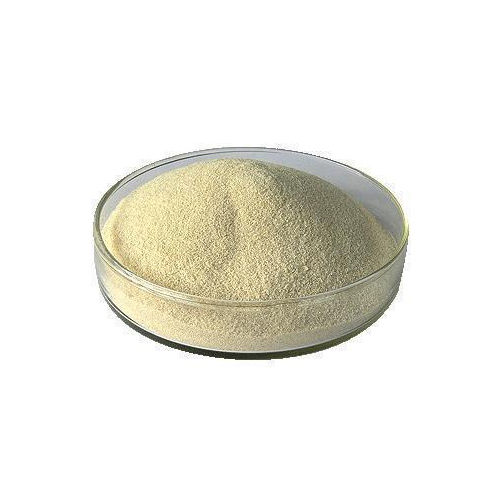
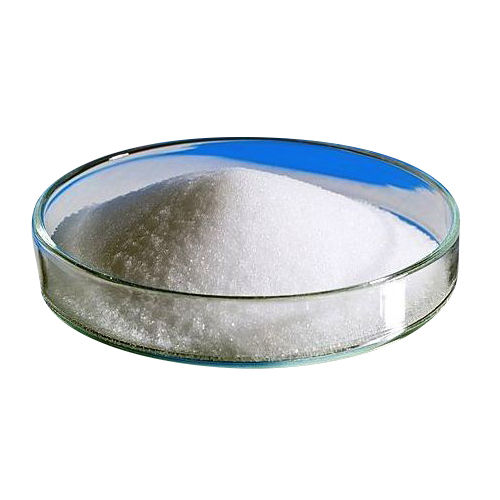
Experience the unassailable quality of our top-rated Sodium Alginate, expertly sourced from premium brown seaweed. This world-class polysaccharide biopolymer appears as an odorless, tasteless, white to yellowish brown powder, boasting unmatched purity (99%) and commanding versatility. Enjoy the ephemeral opportunity to stock this last chance offerideal for thickening, stabilizing, and emulsifying in ice cream, dairy, jelly, capsules, textile printing, and wound dressings. Our products solubility, food-grade standard, and conforming parameters ensure safety and reliability. Delivered in 25kg fiber drums or customized packaging for your needs, shelf life extends a robust 24 months.
Distinctive Features and Applications of Sodium Alginate
Sodium Alginate is renowned for its high viscosity, impeccable particle size uniformity, and superior stability. It is highly soluble in water and stands out for being non-poisonous and safe for various applications. To use, simply dissolve the required amount in cold water, then incorporate as a gelling or thickening agent. Sodium Alginate excels in food processing, pharmaceuticals, and even textile printing, delivering multifunctional benefits across industries.
Premium Supply, Delivery, and Global Market Presence
We guarantee consistent market value by offering Sodium Alginate with swift delivery times and robust supply ability. Packaging is premium25 kg fiber drums designed for secure transportation and preserved shelf life. Our strategic FOB port locations in India support timely global dispatches, catering to manufacturers, exporters, retailers, and suppliers. Trust in our commitment to meet bulk or tailored order requirements with world-class reliability and expertise.
FAQs of Sodium Alginate:
Q: How should Sodium Alginate be stored to maintain its efficacy?
A: Sodium Alginate should be stored in a cool, dry place with the container tightly closed to prevent moisture absorption and maintain its quality throughout its 24-month shelf life.
Q: What are the main benefits of using Sodium Alginate in the food industry?
A: Sodium Alginate acts as a high-efficiency thickener, stabilizer, and emulsifier, ensuring enhanced texture, improved consistency, and shelf stability for products like ice cream, jelly, and dairy items.
Q: Where can Sodium Alginate be effectively applied besides food processing?
A: Beyond the food industry, Sodium Alginate is widely used in pharmaceuticals for capsule formulation and wound dressings, as well as in textile printing to create precise patterns and enhance fabric finish.
Q: What process should I follow to use Sodium Alginate as a gelling agent?
A: Simply dissolve the required amount of Sodium Alginate in cold water while stirring. For gel formation, subsequent addition of calcium ions will initiate the gelling process, ideal for both industrial and culinary uses.
Q: When does the quality of Sodium Alginate remain optimal for use?
A: Its optimal quality is preserved for up to 24 months if stored correctly in cool, dry conditions and unopened packaging. Always check the packaging for integrity before use to ensure top performance.







 Send Inquiry


 Send Inquiry


