About Sodium Pyrosulphite
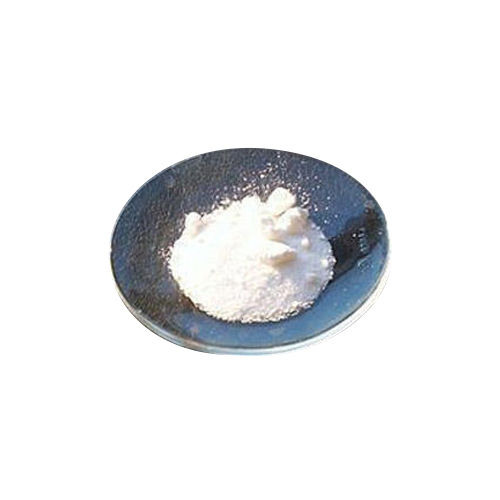
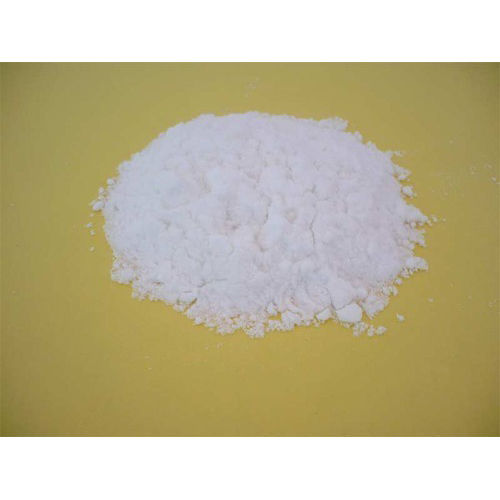
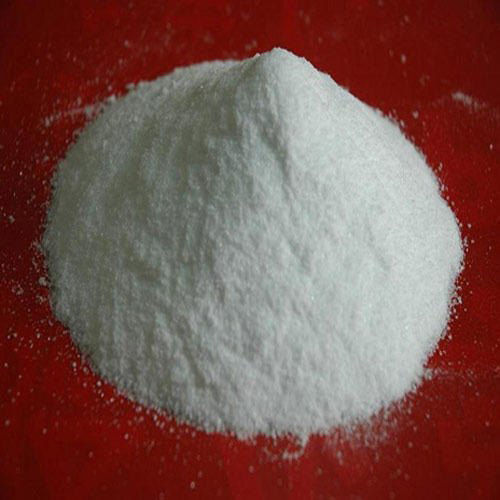
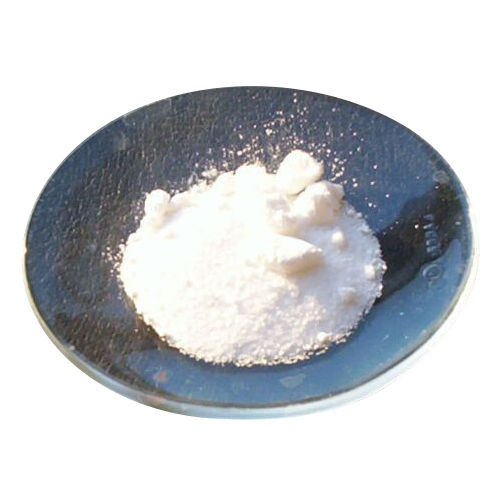
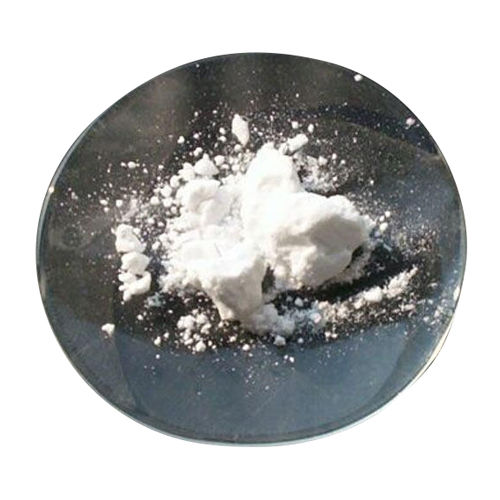
Explore the lofty standards of Sodium Pyrosulphite, a flawless inorganic salt renowned for its rarefied purity (96%98% min) and versatile use. Presented as a white crystalline powder, it offers instant checkout convenience and favorable reviews from various industriesincluding food preservation, water treatment, textiles, and photography. Though unstable to moisture and air, shelf life extends to 12 months if properly stored. Easily soluble in water, this powerful preservative (E223) and antioxidant delivers effective results. Minimum order quantity starts at 500 kg, perfectly suited for professional demand.
Diverse Applications & Unique Features
Sodium Pyrosulphite extends its utility far beyond food preservation, serving as a disinfectant, bleaching agent, and antioxidant across industrial and food-grade usages. Its rapid solubility in water and remarkable density make it ideal for textile processing, water treatment, and photographic solutions. With a pungent, sulphurous aroma and an astringent taste, this solid powder or crystalline form fulfills rarefied requirements for both commercial and niche industries.
Packaging, Delivery & Certifications
Stock ready Sodium Pyrosulphite is available in sturdy 25 kg or 50 kg woven bags with inner plastic lining, guaranteed for safe delivery. Major export markets include India, with suppliers, dealers, and exporters ensuring seamless distribution. Delivered with certifications conforming to GB 1893-2008 or equivalent standards, clients benefit from efficient logistics and prompt fulfillment to meet industrial requirements. Proper storage ensures longevity and preserves product integrity throughout transport and usage.
FAQs of Sodium Pyrosulphite:
Q: How should Sodium Pyrosulphite be stored to maintain its stability?
A: To maintain its stability, Sodium Pyrosulphite should be stored in a cool, dry, and well-ventilated area, with containers tightly closed to prevent exposure to moisture and air.
Q: What are the main industrial applications of Sodium Pyrosulphite?
A: Sodium Pyrosulphite is widely used in food preservation, water treatment, textile processing, and photographic industries as a preservative, antioxidant, disinfectant, and bleaching agent.
Q: When can I expect delivery after placing an order for Sodium Pyrosulphite?
A: Delivery timelines depend on supplier processing, but stock is generally ready for prompt shipment to ensure swift fulfillment, especially across major Indian export markets.
Q: Where is Sodium Pyrosulphite commonly supplied and exported?
A: It is commonly supplied by manufacturers, exporters, and retailers based in India, with a focus on meeting high-volume industrial and commercial demands worldwide.
Q: What is the process for handling Sodium Pyrosulphite safely?
A: Handlers should wear protective gear, avoid inhalation or contact with eyes and skin, and follow recommended safety protocols, as the substance can cause irritation and is classified as poisonous.
Q: How is Sodium Pyrosulphite beneficial in food preservation?
A: As preservative E223, it prevents spoilage and oxidation in foods, extending shelf life while ensuring freshness and quality during storage and transportation.







 Send Inquiry


 Send Inquiry


