About Trypan Blue Solution
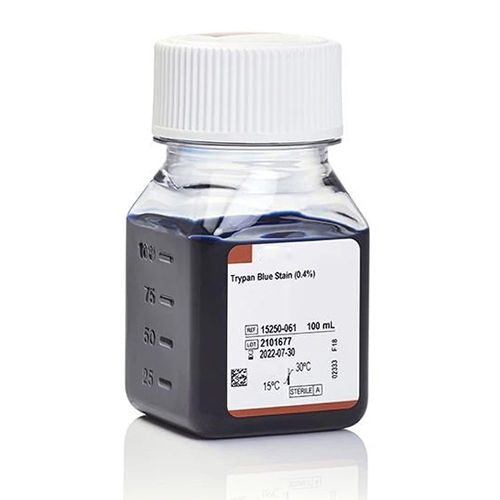
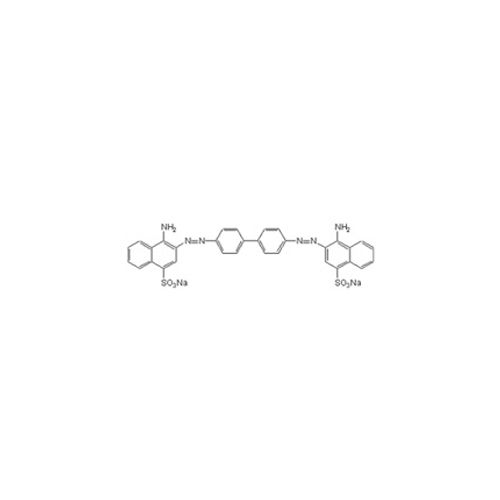
Buy the dazzling Trypan Blue Solution (0.4% w/v), an analytical grade biological stain designed for laboratory professionals and research institutions. Seize our ongoing Sale and enjoy venerable quality and exceptional value with every purchase. Packaged securely in durable plastic bottles (100 mL, 500 mL, 1 L), this preeminent reagent offers a clear blue solution that is soluble in water and perfectly tailored for cell viability staining. Promotion valid while supplies last. Store safely at 28C, and remember: this product is not for consumption. Dispose of as hazardous laboratory waste per regulations. Product Code: TB-04.
Application & Usability Across Research Sectors
Trypan Blue Solution is widely applied in biological staining, crucial for cell viability assays, and plant tissue studies. It is heavily relied upon by research laboratories, academic institutions, and commercial testing facilities for accurate cell differentiation and analysis. Plant scientists also utilize this product for root and seed viability. Its standard analytical grade ensures trusted performance and reproducibility, serving professionals in life sciences, biotechnology, and agricultural domains alike.
Supply Ability, Certifications & Packaging Excellence
Our proposal amount swiftly accommodates research and bulk requirements with robust supply and efficient packing & dispatch systems. Certified to meet analytical laboratory standards, each batch undergoes strict quality checks and secure packaging in plastic bottles for safe exchange and transport. Delivery options include volumes of 100 mL, 500 mL, and 1 L, as per client needs. Every supply is accompanied by necessary documentation, ensuring smooth import/export and compliance for retailers, dealers, and exporters.
FAQs of Trypan Blue Solution:
Q: How should Trypan Blue Solution be stored to maintain its quality?
A: Trypan Blue Solution should be stored at temperatures between 28C and protected from light to ensure its stability and effectiveness over its 24-month shelf life.
Q: What is the primary usage of Trypan Blue Solution in laboratories?
A: The solution is mainly used as a biological stain for cell viability assays, helping researchers distinguish between viable and non-viable cells in a variety of experimental applications.
Q: When should expired or used Trypan Blue Solution be disposed of?
A: Expired or spent Trypan Blue Solution must be disposed of immediately as hazardous laboratory waste in compliance with local safety regulations to avoid environmental and health hazards.
Q: Where is Trypan Blue Solution commonly used outside of typical laboratories?
A: Besides research labs, Trypan Blue Solution is utilized in plant and agricultural research facilities, as well as educational institutions for instructional demonstrations in biology and biotechnology.
Q: What process should be followed if the solution accidentally comes into contact with skin or eyes?
A: In case of skin or eye contact, immediately rinse the affected area thoroughly with water and seek medical attention if irritation persists, as the solution may cause mild irritation.
Q: How does using Trypan Blue Solution benefit cell studies?
A: Trypan Blue staining enables easy and rapid identification of dead cells due to its selective exclusion, significantly improving the reliability of cell viability counts and experimental results.







 Send Inquiry


 Send Inquiry


