About Yellow Quinoline
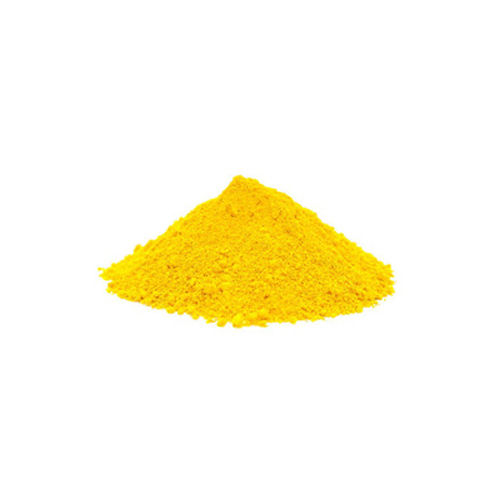
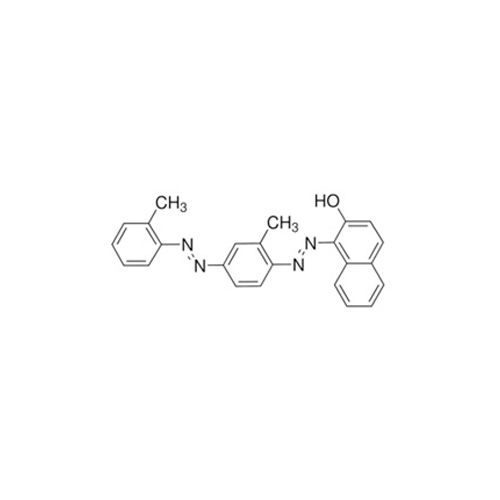
Yellow Quinoline is a fresh, best-selling, must-have organic dye, renowned for its dominant and exceptional coloring capability in textile dyeing, ink manufacture, and coloring agents. With unrivaled chemical stability and heat resistance up to 180C, this fine bright yellow powder showcases good light fastness, remarkable compatibility with most synthetic resins, and high puritymaking it the preferred choice for industrial applications. Eco-friendly and non-toxic, Quinoline Yellow is safely packed in 25 kg fiber drums, maintaining its quality across a two-year shelf life. This synthetic dye is odorless, water-soluble, and meets stringent industrial standards.
Unrivaled Performance and Versatile Applications
Yellow Quinoline presents dominant features such as fine particle size, excellent light fastness, and stable performance at high temperatures. Its primary competitive advantages include compatibility with various synthetic resins and outstanding chemical stability. This eco-friendly dye is recognized for its non-toxic qualities, making it ideal for textile plants, ink production facilities, and coloring industries. Its fine and bright yellow hue supports exceptional color consistency across a wide spectrum of industrial uses, underlining its preferred status among top manufacturers.
Sample Policy and Global Distribution
Samples of Yellow Quinoline are shipped to interested clients across primary export markets including Asia, the Middle East, and Africa. Valuation of the sample is transparent, often accompanied by a minimal charge to cover shipping and handling. The sample policy is clearly structured, ensuring that potential partners get a firsthand look at this best-selling dyes quality before making significant purchase commitments. This approach guarantees reliable product evaluation for dealers, exporters, and retailers worldwide.
FAQs of Yellow Quinoline:
Q: How is Yellow Quinoline typically used in industrial applications?
A: Yellow Quinoline is predominantly used as a synthetic coloring agent in textile dyeing, ink manufacture, and a variety of coloring industries due to its excellent solubility, light fastness, and compatibility with synthetic resins.
Q: What distinguishes Yellow Quinoline from other yellow dyes?
A: Its fine particle size, dominant color quality, unrivaled chemical stability, non-toxicity, and exceptional heat resistance up to 180C set Yellow Quinoline apart from other yellow dyes, making it a must-have for industrial applications.
Q: When can I expect to receive a sample after placing a request?
A: Samples of Yellow Quinoline are usually shipped promptly after the valuation and arrangement of any applicable sample charges. Delivery times vary by location, but shipments are handled efficiently to ensure quick evaluation.
Q: Where should Yellow Quinoline be stored for optimal shelf life?
A: For best results, Yellow Quinoline should be stored in a cool, dry place, kept in sealed containers to maintain its exceptional quality and extend its shelf life up to two years.
Q: What is the process for ordering Yellow Quinoline in bulk quantities?
A: Bulk orders can be placed directly through dealers, exporters, or authorized suppliers. Once specifications and order volumes are confirmed, the product is packaged in 25 kg fiber drums and shipped according to the clients requirements.







 Send Inquiry


 Send Inquiry


