About Cadmium Oxide
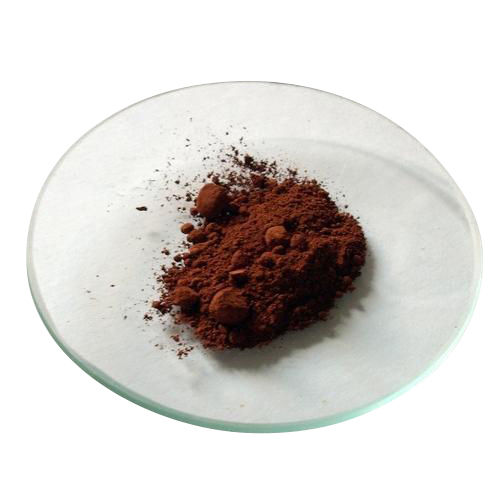
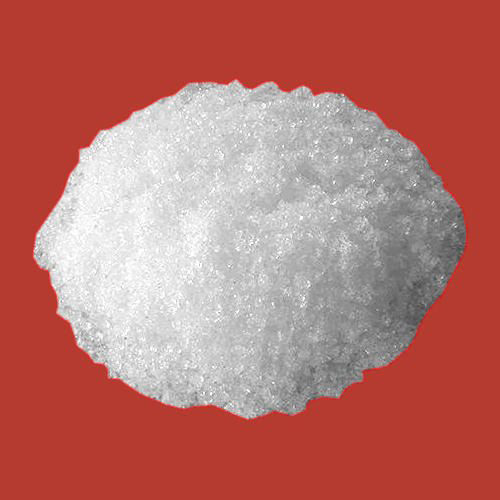
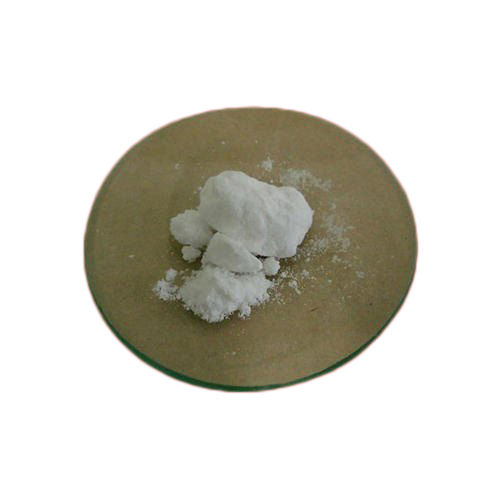
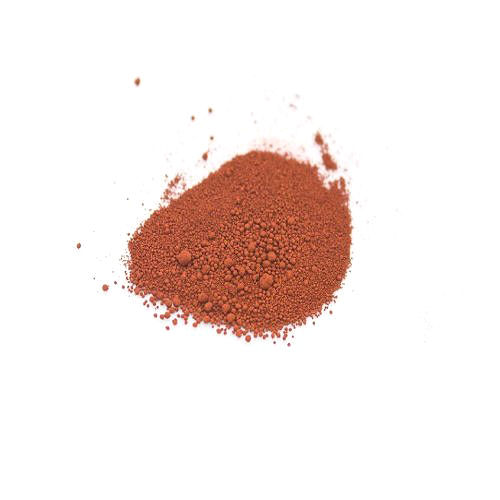
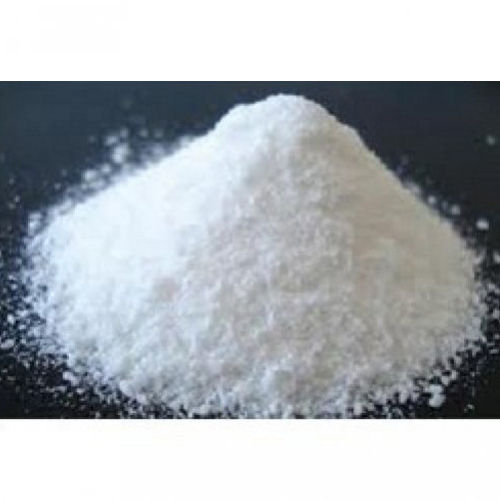
Spotlight on Cadmium Oxide: Ending Soon! Capitalise on this first-string, ultimate inorganic compound, renowned for its sensational dark brown crystalline powder form. Cadmium Oxide (CdO) boasts an impressive 99.99% purity, customized particle sizes (110 microns), and complies with REACH/RoHS regulations. Stable under normal storage, its valued for electroplating, pigments, ceramics, glass, phosphors, and battery electrodes. Minimum order: 25 kg in top-quality HDPE/fiber drums or bags. Handle with care: toxic if inhaled or swallowed, and may cause cancer. Secure your batch now!
Cadmium Oxide: Suitable Applications and Advantages
Cadmium Oxides technical versatility shines in its industrial, reagent, and electronic grades. Revered in pigment manufacturing, ceramic glazing, glass tinting, and phosphor development, its also indispensable for battery electrode formulation and electroplating. Its high stability, custom particle sizing, and exceptional purity give you a critical manufacturing advantage, ensuring uniformity across demanding industrial applications. If you seek robust performance and sensational reliability, Cadmium Oxide is your top-tier solution.
Packaging, Supply, and Market Valuation of Cadmium Oxide
Cadmium Oxide is supplied in valuation-certified HDPE drums, fiber drums, and secure bags, each guaranteeing safe containment and maintaining market value. Our logistics ensure secure global supply, with a minimum order value set at 25 kg. Payment terms are flexible, catering to diverse buyer needs. Samples are available upon request to evaluate product grade before large orders, adding confidence to your purchasing decision and supporting your position in competitive markets.
FAQs of Cadmium Oxide:
Q: How should Cadmium Oxide be stored to maintain its stability and shelf life?
A: Cadmium Oxide should be stored in a tightly closed container, in a cool, dry, and well-ventilated area, away from acids. under these conditions, it remains stable with a shelf life of up to 2 years.
Q: What safety precautions must be followed when handling Cadmium Oxide?
A: Avoid inhalation and direct contact. Always wear suitable protective equipment including gloves, safety goggles, and respiratory protection, as Cadmium Oxide is toxic and may cause serious health hazards.
Q: Where is Cadmium Oxide primarily used, and what are its industrial benefits?
A: Cadmium Oxide is chiefly used in electroplating, pigment production, ceramics, glass manufacturing, phosphor compositions, and battery electrodes. Its uniform particle size and high purity provide consistent results vital to industrial processes.
Q: What payment and supply options are available for purchasing Cadmium Oxide?
A: Payment options are adaptable, designed to meet various business requirements. We offer secure packaging in HDPE drums, fiber drums, or bags, with global supply and a minimum order of 25 kg. Samples can be provided for evaluation.
Q: How is Cadmium Oxide produced and what are its chemical properties?
A: Cadmium Oxide is produced by the calcination of cadmium metal or cadmium nitrate. It is a brownish-red or dark brown crystalline powder, odorless, insoluble in water, but soluble in acids, with a melting point of 900C.







 Send Inquiry


 Send Inquiry


