Calcium Acetate
Calcium Acetate

Calcium Acetate

Calcium Acetate Specification

  • Poisonous
  • Yes
  • Ph Level
  • ~7.0-9.0 (1% solution)
  • Density
  • 1.5 Gram per cubic centimeter(g/cm3)
  • Storage
  • Keep container tightly closed, store in cool dry place
  • Melting Point
  • 160C (decomposes)
  • Smell
  • Odorless
  • Molecular Weight
  • 158.17 g/mol (anhydrous)
  • HS Code
  • 29152990
  • Other Names
  • Calcium ethanoate
  • Shape
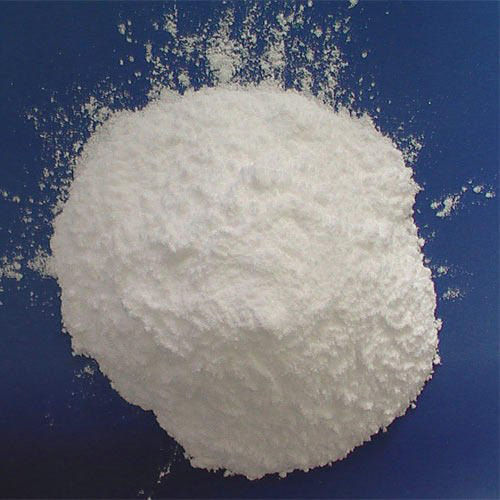
  • White powder or granules
  • Solubility
  • Freely soluble in water; practically insoluble in alcohol
  • Taste
  • Mildly acidic
  • Structural Formula
  • (CH3COO)2Ca
  • Purity
  • 98% min (food/USP grade)
  • Form
  • Solid
  • Boiling point
  • Not applicable (decomposes before boiling)
  • Molecular Formula
  • C4H6CaO4 (for hydrated), Ca(C2H3O2)2 (anhydrous)
  • Classification
  • Calcium compound; acetate salt
  • Chemical Name
  • Calcium acetate
  • CAS No
  • 62-54-4
  • EINECS No
  • 204-814-9
  • Grade
  • Food grade and industrial grade
  • Standard
  • Conforms to FCC/USP/BP standards
  • Type
  • Inorganic compound, salt
  • Usage
  • Preservative, sequestrant, buffer
  • Main Material
  • Calcium carbonate or calcium hydroxide
  • Application
  • Food additive (E263), pharmaceutical excipient, water treatment, laboratory reagent
  • Labeling
  • As per regulatory requirements
  • Regulatory Status
  • Approved for food use (E263)
  • Shelf Life
  • 2 years if properly stored
  • Stability
  • Stable under recommended storage conditions
  • Heavy Metals
  • < 10 ppm
  • Loss on Drying
  • 1.0%
  • Moisture Content
  • 2%
  • Packing
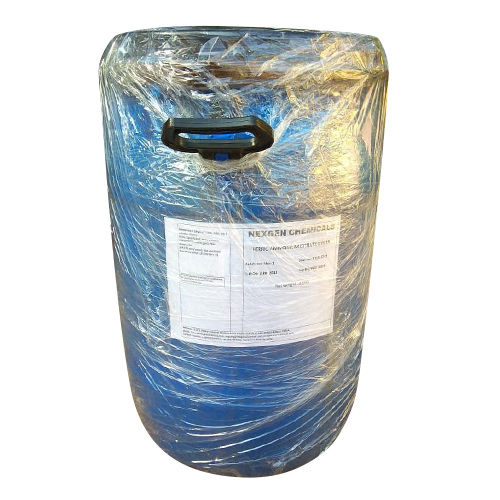
  • 25 kg HDPE drums/bags
  • pH of 5% solution
  • 7.0-9.0
  • Appearance
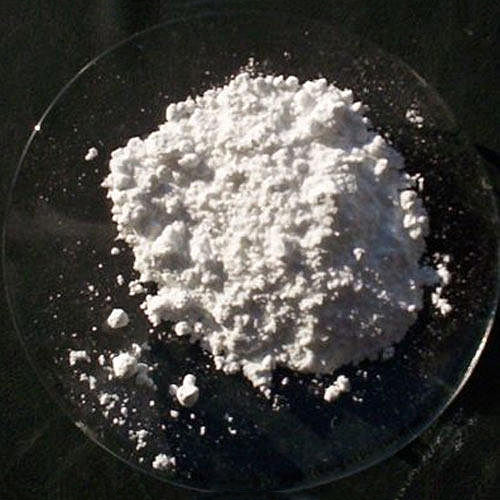
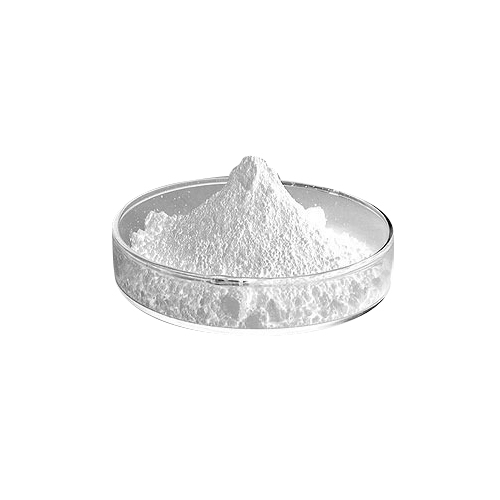
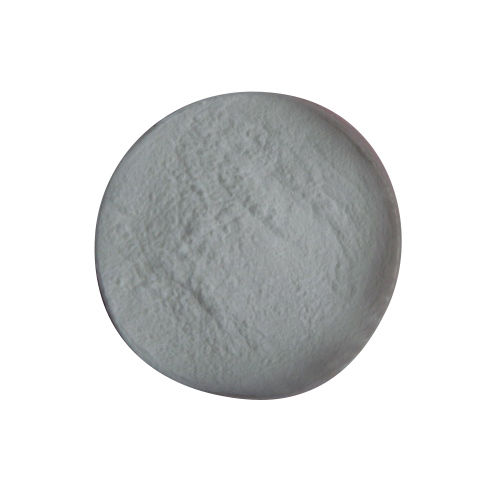
  • White crystalline powder
  • Identification Method
  • IR, Chemical Test
 

Calcium Acetate Trade Information

  • Main Export Market(s)
  • South America, Middle East, Africa
 

About Calcium Acetate


Discover our best-seller Calcium Acetate, a first-string solution respected across industries. Shop now to enjoy a decorated, majestic white crystalline powder meeting food grade and industrial requirements. Personalise your order for usage as a preservative, sequestrant, buffer, or water treatment agent. Stable and odorless, this inorganic compound boasts 98% purity, supports regulatory compliance (E263), and is rigorously tested by IR and chemical methods. Supplied in robust 25 kg HDPE drums/bags, its shelf life stretches up to 2 years under optimal storage. Conforms to FCC/USP/BP standards for guaranteed quality.

Calcium Acetate: Usage & Special Features

Calcium Acetate shines as a versatile salt used in food preservation (E263), pharmaceuticals, and water treatment. Its a preferred buffer and sequestrant due to its non-poisonous nature and high purity (98% min). Mildly acidic yet stable, this powder is distinguished by its majestic white appearance and odorless form. Trusted by manufacturers and researchers, its solubility in water extends its application across food, pharmaceutical, laboratory, and industrial sectors.


Certifications, Packaging & Order Processing

Our Calcium Acetate is certified to conform with FCC/USP/BP standards and regulatory food safety requirements (E263). Packaging is meticulously handled, with 25 kg HDPE drums or bags to maintain product integrity. Order processing is promptrequest a quotation with your specifications, and enjoy flexible payment terms. All labeling is compliant with current regulations, ensuring hassle-free import and use. Your orders are safely packed and shipped for maximum freshness and quality retention.


FAQs of Calcium Acetate:


Q: How should Calcium Acetate be stored to uphold its stability?

A: To maintain maximum stability and shelf life, Calcium Acetate should be kept in tightly closed containers, stored in a cool, dry place, away from moisture and excessive heat.

Q: What are the main applications of Calcium Acetate?

A: Calcium Acetate serves as a preservative, sequestrant, and buffer in the food industry (E263), as a pharmaceutical excipient, water treatment agent, and laboratory reagent. It is valued for its versatility and efficacy.

Q: When does Calcium Acetate expire?

A: If stored properly in original, sealed packaging under recommended conditions, Calcium Acetate retains its best quality for up to two years from the date of manufacture.

Q: Where is your Calcium Acetate manufactured and supplied from?

A: Our Calcium Acetate is manufactured and supplied by leading producers and exporters in India, delivering to global clients in food, pharmaceutical, and industrial sectors.

Q: What certification and purity standards does the product follow?

A: Our Calcium Acetate complies with FCC, USP, and BP standards and offers a high purity of at least 98% (food/USP grade), alongside full food safety regulatory approvals (E263).

Tell us about your requirement
product

Price:

Quantity
Select Unit

  • 50
  • 100
  • 200
  • 250
  • 500
  • 1000+
Additional detail
Mobile number

Email

More Products in Calcium Compound Category

Calcium Sulphate Anhydrous

Calcium Sulphate Anhydrous

Poisonous : Yes

Chemical Name : Calcium Sulphate Anhydrous

Ph Level : Neutral (68)

Density : 2.96 Gram per cubic centimeter(g/cm3)

Type : Inorganic chemical compound

Usage : Industrial, laboratory, food additive, desiccant

Calcium Nitrate Tetrahydrate

Calcium Nitrate Tetrahydrate

Poisonous : Yes

Chemical Name : Calcium Nitrate Tetrahydrate

Ph Level : 5.07.0 (10% solution)

Density : 1.82 Gram per cubic centimeter(g/cm3)

Type : Inorganic salt

Usage : Industrial, agricultural

Calcium Hydrogen Phosphate Dihydrate

Calcium Hydrogen Phosphate Dihydrate

Poisonous : Yes

Chemical Name : Calcium Hydrogen Phosphate Dihydrate

Ph Level : Approximately 7

Density : 2.31 Gram per cubic centimeter(g/cm3)

Type : Inorganic Salt

Usage : Pharmaceuticals, food, feed additive, laboratory reagent

Calcium Gluconate(1)

Calcium Gluconate(1)

Poisonous : Yes

Chemical Name : Calcium Gluconate

Ph Level : 6.2 7.2 (10% solution)

Density : 1.5 Gram per cubic centimeter(g/cm3)

Type : Pharmaceutical Grade

Usage : Used as a calcium replenisher, in food fortification, as a food additive (E578), and in pharmaceuticals


Back to top