About Calcium Carbonate
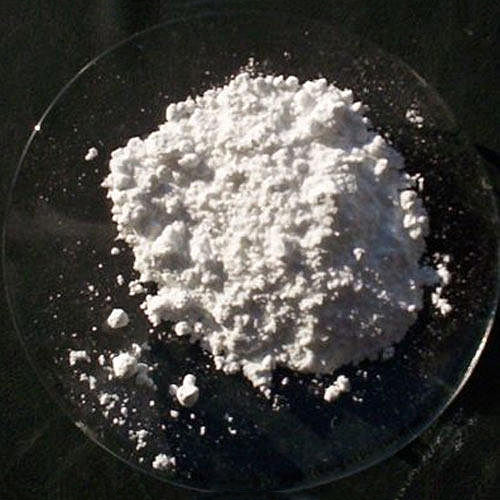
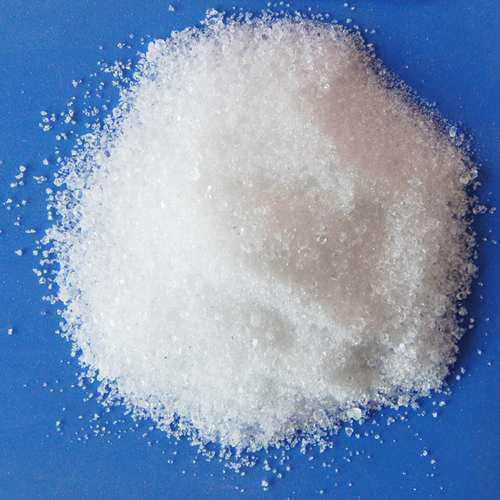
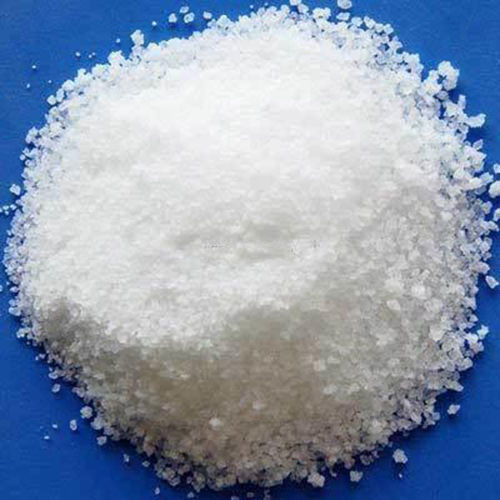
Experience the premier quality of our rare and brilliant Calcium Carbonate, offering a grandiose level of purity at a reduced price to meet the ongoing high demand in major industries. With a whiteness of 95% min, particle size between 2-50 microns, and low moisture content, this immaculate white powder is ideal for pharmaceutical, food, and industrial applications. Odourless, insoluble in water, and non-toxic, its perfect for a range of uses. Available in 25/50 kg bags, this product conforms to IS, ASTM, and Food Grade Standardsmaking it a superior choice for manufacturers and exporters alike.
Versatile Applications and Use Types
Calcium Carbonates grand utility spans diverse application places such as paint, rubber, plastics, paper, ceramics, agriculture, food, and pharmaceuticals. As a multi-use inorganic compound, its equally valuable in processes needing high puritylike the food and pharmaceutical sectorsor where consistent physical properties are essential in industrial, dealer, and export operations. Its reduced solubility and non-toxic nature make it in demand in agricultural and chemical industries as well.
Secure Payment, Global Markets, and Certifications
Products are dispatched swiftly following secure payment, with handover and exchange options adapted to suit client needs. We cater to premier export markets across Asia, Africa, and Europe, establishing trust as leading exporter, manufacturer, and supplier from India. Each batch comes certified, conforming to IS, ASTM, and global Food Grade Standards for added assurance in every transaction and delivery.
FAQs of Calcium Carbonate:
Q: How is your Calcium Carbonate typically used in industrial and food applications?
A: Our Calcium Carbonate finds wide usage as a filler and whitening agent in paints, plastics, rubber, ceramic, and paper industries, while also serving as a food additive and pharmaceutical excipient due to its high purity and non-toxic nature.
Q: What benefits does your Calcium Carbonate offer over standard grades?
A: With a brilliant white color, low moisture content, and high purity (98% min.), our Calcium Carbonate ensures superior performance, enhanced product aesthetics, and consistent quality. Its reduced bulk density and precise particle size make it suitable for delicate applications.
Q: Where do you export Calcium Carbonate, and which markets do you mainly serve?
A: We handover shipments to major markets in Asia, Africa, and Europe, fulfilling the demands of dealers, manufacturers, and retailers globally with timely exchanges and reliable bulk delivery options.
Q: What certifications and standards does your Calcium Carbonate meet?
A: Our product strictly conforms to IS, ASTM, and international Food Grade Standards, ensuring the highest levels of safety and performance for customers in all application sectors.
Q: How should Calcium Carbonate be stored to maintain its quality and shelf life?
A: Store the product in a cool, dry, and well-ventilated environment. Proper storage ensures a shelf life of up to 2 years while maintaining its whiteness and specified physical properties.







 Send Inquiry


 Send Inquiry


