About Cobalt Nitrate
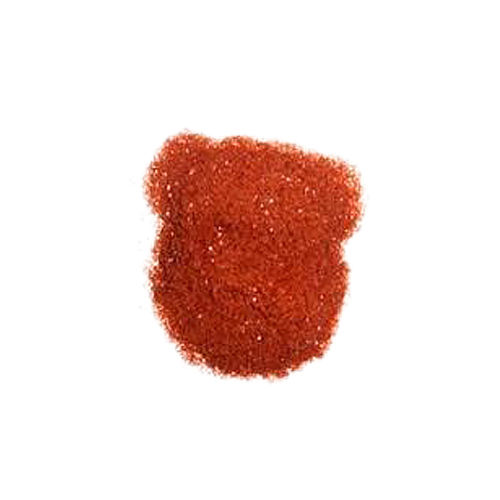
Jump on the opportunity to work with Cobalt Nitratean inorganic salt renowned for its meritorious applications and formidable stability. Highlighted by its dark red to violet crystals, this compound exhibits exceptional purity (98-99%) and soars in performance for laboratories and industries alike. Safe storage and meticulous handling are vital, as it is toxic if ingested or inhaled and may intensify fire hazards due to its oxidizing nature. Its ephemeral, crystalline form is highly soluble in water and alcohol, making it indispensable in pigments, ceramics, electroplating, and as a catalyst. Available in various sizes from reputable sources across India.
Diverse Uses & Outstanding Material Features
Cobalt Nitrates application method is straightforwardutilize it directly in laboratory procedures, pigment manufacturing, or as a catalyst in chemical processes. Its exceptional solubility enables quick integration into ceramic glaze formulations and dye mordant procedures. The materials stability under standard conditions, together with its meritorious purity, makes it formidable for industrial, laboratory, and analytical applications. Additionally, its unique color and crystalline structure highlight its performance in specialty uses.
Sample Exchange & Packaging Information
A sample of Cobalt Nitrate is available upon exchange for a purchase order. Packaging details are provided for 500g, 1kg, and 5kg sizes, carefully sealed to prevent contamination and maintain integrity during freight. Delivery time depends on your location and shipping method, but prompt dispatch is prioritized. Each order ensures safe transit and compliance with all regulatory guidelines, making the purchasing process smooth for dealers, exporters, and retailers alike.
FAQs of Cobalt Nitrate:
Q: How can I safely handle Cobalt Nitrate during laboratory use?
A: Always wear suitable protective clothing, including gloves and goggles. Avoid contact with skin and eyes, and ensure good ventilation to minimize inhalation risks. Follow all safety protocols for oxidizing substances.
Q: What are the primary applications of Cobalt Nitrate?
A: Cobalt Nitrate is widely used as a laboratory reagent, in pigments for ceramics, as a catalyst, in electroplating, and as a dye mordant, due to its solubility and vivid coloration.
Q: When should Cobalt Nitrate be stored or disposed of?
A: Store Cobalt Nitrate in tightly closed containers in a cool, dry place. Dispose of any expired or unused product according to local hazardous waste regulations, considering its toxic and oxidizing properties.
Q: Where can I get Cobalt Nitrate samples for evaluation?
A: You can request a sample from authorized dealers or suppliers, usually upon submission of a formal purchase order. Details for exchange and freight are typically discussed at the time of inquiry.
Q: What benefits does Cobalt Nitrate offer in industrial and analytical applications?
A: Cobalt Nitrate offers high purity and stability, and its rapid solubility ensures effective performance as a catalyst or pigment component, delivering repeatable and consistent results across various uses.
Q: What is the process for ordering and receiving Cobalt Nitrate?
A: Initiate your purchase with an order to a reliable supplier. Once confirmed, the product is packaged securely and shipped according to your chosen freight option, with timely delivery across India.







 Send Inquiry


 Send Inquiry


