About Marcuric Chloride
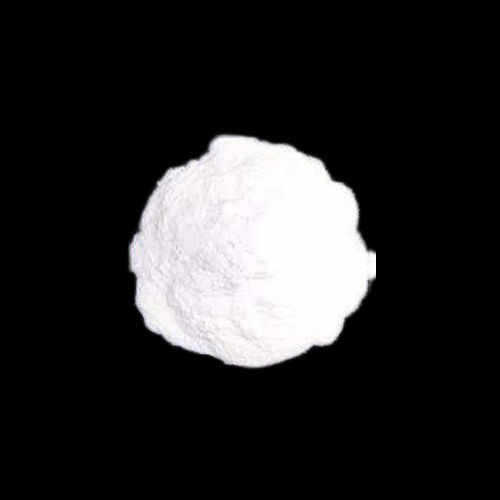
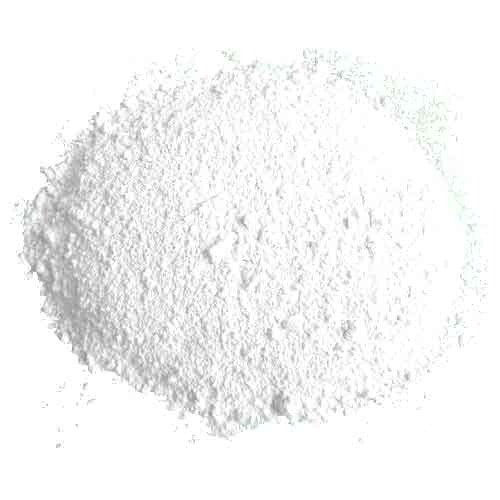
Discover the new release of Mercuric Chloride, a best-seller favored for its premier quality and exquisite purity (99% min). Supplied as an imposing white crystalline solid, it is highly stable under ambient storage and packaged in sealed glass or HDPE bottles to ensure safety. Limited stock available from renowned suppliers, dealers, and exporters in India. Classified as an inorganic mercury compound, Mercuric Chloride serves analytical, disinfectant, and preservative roles. Handle with utmost caution due to its poisonous nature, and experience unmatched reliability for laboratory and industrial applications.
Advanced Features and Versatile Use of Mercuric Chloride
Mercuric Chloride is renowned for its exceptional solubility in water, alcohol, ether, glycerol, and acetone, making it a reliable choice for diverse laboratory and industrial tasks. Usage spans antiseptic, reagent, disinfectant, and preservation roles, particularly for wood and biological specimens. Its stable formulation and reagent grade status ensure premier results for research, analytical, and plant applications. Adhering to strict analytical standards, it guarantees consistent quality, supporting both chemical labs and specialized production units.
Sample Availability, Logistics, and Market Value
Samples of Mercuric Chloride are available to verified buyers, facilitating comprehensive testing for domestic market requirements. Export shipments operate from major FOB ports in India with efficient logistics to ensure rapid delivery. Payment terms are customized for both bulk buyers and retailers to maximize market value and satisfaction. The well-established domestic supply chain assures secure packaging and prompt shipment, supporting the trusted reputation of dealers, exporters, manufacturers, and suppliers across India.
FAQs of Marcuric Chloride:
Q: How should Mercuric Chloride be safely stored and handled?
A: Mercuric Chloride must be stored in tightly closed containers within a cool, dry, well-ventilated area, away from incompatible substances like strong bases, ammonia, and organic matter. Handle it with extreme care, avoiding all contact due to its toxic nature.
Q: What are the most common uses of Mercuric Chloride?
A: Mercuric Chloride is primarily used as an antiseptic, disinfectant, analytical reagent, and preservative for wood and biological specimens. Its properties also make it valuable in laboratory research across chemistry and biology.
Q: When is it recommended to request a Mercuric Chloride sample?
A: Samples are recommended for new buyers or organizations needing to verify product quality and compatibility with their intended applications before proceeding with larger quantities.
Q: Where can Mercuric Chloride be sourced in India?
A: Mercuric Chloride is available from authorized dealers, exporters, manufacturers, and suppliers throughout India. It is typically shipped from major FOB ports, ensuring reliable domestic and international logistics.
Q: What benefits does reagent grade Mercuric Chloride offer for laboratory use?
A: Reagent grade Mercuric Chloride ensures high purity, consistent stability, and reliability, meeting analytical reagent standards. This supports accurate experimentation, observation, and preservation in laboratory settings.
Q: How is Mercuric Chloride classified for transport and storage?
A: Mercuric Chloride is classified as hazardous for transport under UN No: 1624 and should be stored in sealed glass or HDPE bottles at ambient temperatures, adhering to strict safety guidelines.








 Send Inquiry


 Send Inquiry


