About Disodium Hydrogen Orthophosphate Dodecahydrate
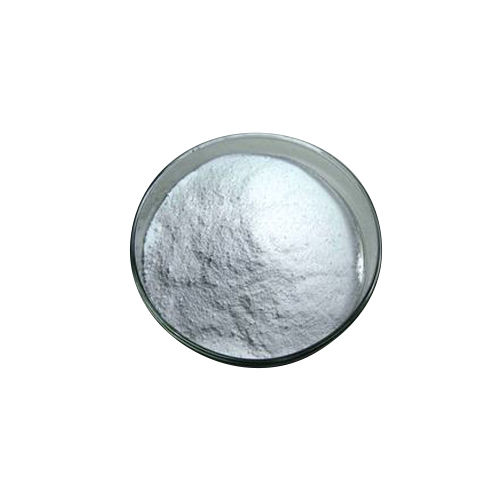
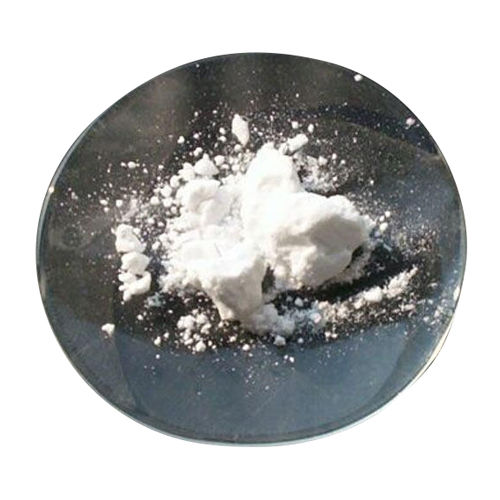
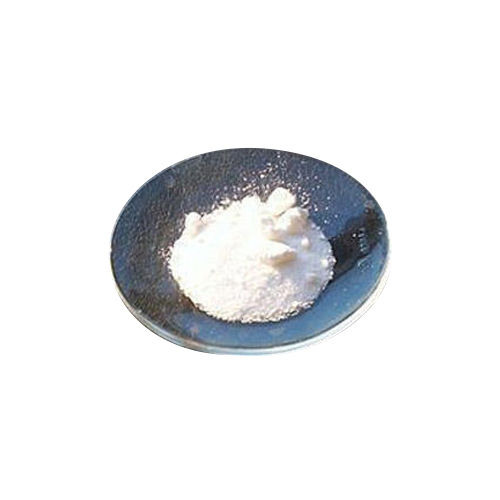
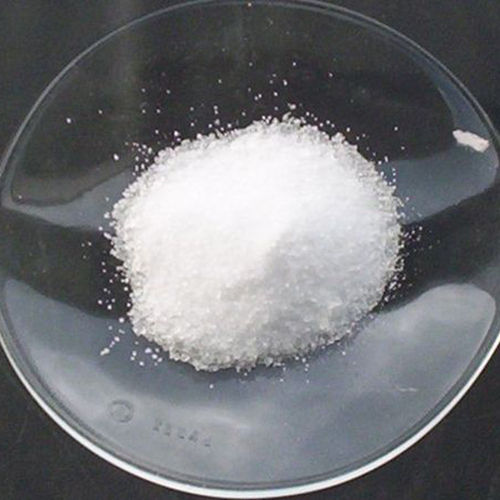
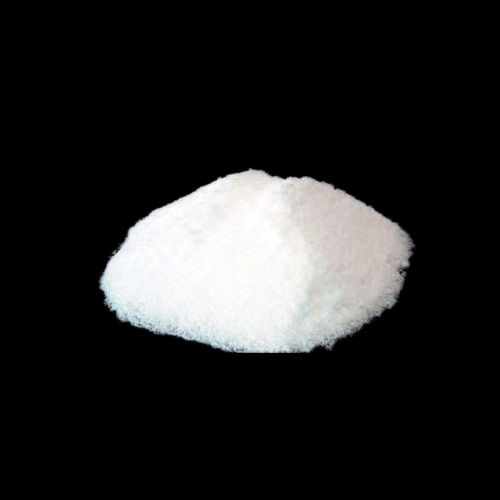
Discover the magnificent Disodium Hydrogen Orthophosphate Dodecahydrate, available for a limited time only. This top-drawer, white crystalline solid offers grand performance, boasting superb stability under normal temperatures and pressures. Procure yours now, as stock is ending soon! Packed in robust 25 kg HDPE bags, its moisture content ranges between 4446%. With a minimum two-year shelf life and a pH of 9.09.6 in solution, it proves invaluable for buffer, sequestrant, and pH control applications across laboratory, water treatment, food, textile, and pharmaceutical industries. Non-toxic and meeting stringent standards, request your MSDS and secure your supply today!
Versatile Uses and Directions
Disodium Hydrogen Orthophosphate Dodecahydrate is primarily used as a buffering agent, sequestrant, and for pH control. It finds applications in laboratory reagents, water treatment, textile, food, and pharmaceutical manufacturing. For optimal benefits, dissolve the required amount in water as instructed by relevant standards and safety guidelines. Used as an additive or reagent, it ensures consistent results and reliable chemical properties in every batch, making it an essential component for precise scientific and industrial operations.
Certifications, Export Markets & Order Processing
This compound complies with both analytical reagent and food grade standards, certifying its top quality. Products are delivered via FOB port, ensuring efficient export logistics worldwide. Serving domestic markets and a wide network of international customers, order processing is seamless, guaranteeing prompt delivery to retailers and exporters alike. Main export markets include regions in India and overseas, making it a trusted choice for global procurement and reliable supply chain fulfillment.
FAQs of Disodium Hydrogen Orthophosphate Dodecahydrate:
Q: How should Disodium Hydrogen Orthophosphate Dodecahydrate be stored for maximum shelf life?
A: Store it in a tightly closed container, placed in a cool, dry location. Proper storage helps maintain its stability and ensures a minimum shelf life of two years.
Q: What are the main applications for Disodium Hydrogen Orthophosphate Dodecahydrate?
A: It is used as a buffering agent, sequestrant, and pH control compound across laboratories, water treatment facilities, food processing, textile, and pharmaceutical industries.
Q: When is the ideal time to procure Disodium Hydrogen Orthophosphate Dodecahydrate?
A: Given the limited stock and high demand, it is best to procure this compound as soon as possible to avoid missing out when stock is ending soon.
Q: Where can I request the MSDS for this chemical?
A: You may request the Material Safety Data Sheet (MSDS) from your dealer, exporter, or supplier, who will provide the document upon request.
Q: What is the process of handling Disodium Hydrogen Orthophosphate Dodecahydrate?
A: Handle the compound with standard laboratory precautions. It is non-toxic when appropriately used but should be kept away from strong acids, magnesium, and calcium salts to avoid incompatibility.
Q: What benefit does its high purity offer in industrial applications?
A: With a purity of 98%, this compound delivers consistent, reliable results, making it ideal for both analytical reagent and food-grade processes where accuracy is paramount.







 Send Inquiry


 Send Inquiry


