About Lead Acetate Trihydrate
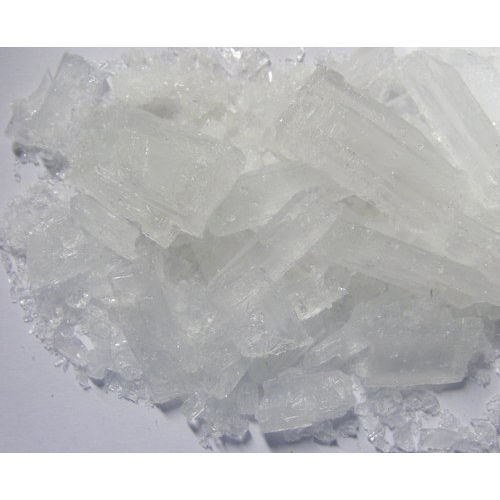
Unlock a promotion on Lead Acetate Trihydrate, a grand choice for laboratory applications, textile industries, and chemical synthesis. With a heroic purity of 99% minimum and ACS standard, this soaring product boasts a density of 2.55 g/cm and a neutral to slightly alkaline pH. Redeem this hot deal now, offered in solid crystalline form and compliant with CAS No: 6080-56-4. Lead Acetate Trihydrate, also known as Sugar of Lead, is the premier analytical-grade compound for professionals in India seeking dependable performance and high-quality results.
Distinctive Features and Application Guidance
Lead Acetate Trihydrate stands out for its excellent solubility in water and glycerol and is slightly soluble in alcohol. Its crystalline nature makes it highly adaptable for use as a mordant or in dyeing processes across different surfaces in laboratory and industrial settings. Always handle with care: store in a cool, dry, and well-ventilated environment. For best results, use dedicated laboratory tools when applying to ensure safety and maintain purity throughout usage.
Main Markets and Shipping Excellence
Lead Acetate Trihydrate is a stock-ready product with quick dispatch options available for both domestic and global markets. We offer seamless delivery from our main FOB ports in India, ensuring reliability to our main export markets across Asia, Europe, and Africa. Benefit from competitive offers designed for manufacturers, dealers, exporters, and retailers who demand consistent quality and prompt service.
FAQs of Lead Acetate Trihydrate:
Q: How should Lead Acetate Trihydrate be stored to maintain its quality?
A: Store Lead Acetate Trihydrate in a cool, dry, and well-ventilated area, away from incompatible substances, to preserve its crystalline form and purity.
Q: What applications is Lead Acetate Trihydrate best suited for?
A: This compound is primarily used in laboratory analyses, as a mordant in dyeing processes, and within the chemical synthesis sector.
Q: Where can Lead Acetate Trihydrate be shipped from and to which markets?
A: Lead Acetate Trihydrate is shipped from main FOB ports in India and can be exported to major markets including Asia, Europe, and Africa.
Q: What is the benefit of using Lead Acetate Trihydrate in the textile industry?
A: Lead Acetate Trihydrate acts as an effective mordant, enhancing dye uptake and fixation for improved coloration in textiles.
Q: How is Lead Acetate Trihydrate applied in laboratory settings?
A: It is typically utilized using dedicated laboratory utensils to ensure safety and uphold the 99% minimum purity for analytical procedures.
Q: What precautions should be taken during the handling process?
A: Always handle Lead Acetate Trihydrate with protective gear, and do not ingest or taste, as it is toxic despite its sweet perception.








 Send Inquiry


 Send Inquiry


