About Lithium Carbonate
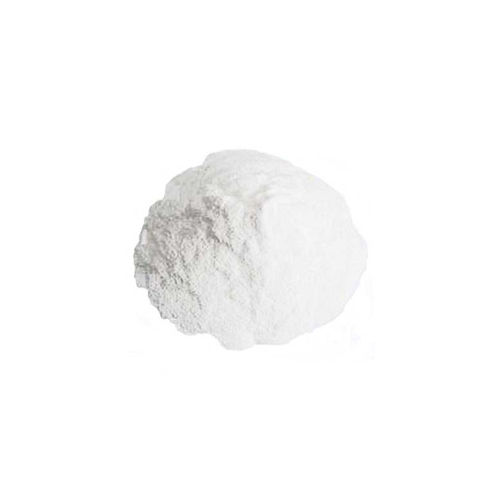
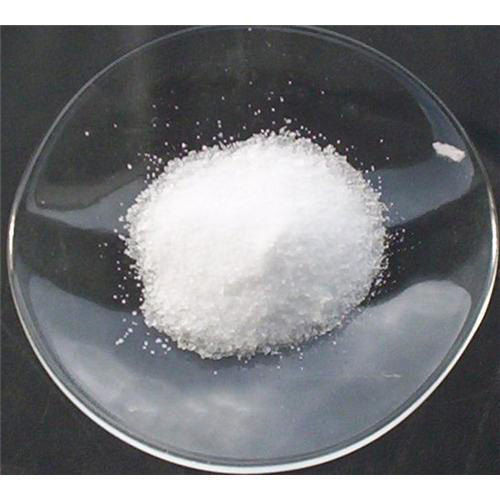
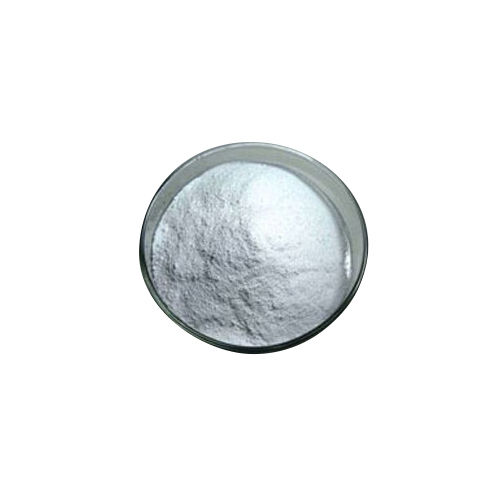
Experience a brilliant solution with our high-purity Lithium Carbonate, available at the best price with remarkable discounts for bulk orders. This transcendent, white crystalline powder or granules is customizable from 100-325 mesh and meets stringent industry standards (GB/T 11075-2013). Its stable, odorless form and ultra-low heavy metal content (<0.001%) ensure suitability across battery, pharmaceutical, and industrial applications. Choose from industrial, battery, or pharmaceutical gradespacked per your requirements. We are a reputed manufacturer and exporter from India, promising reliability and outstanding customer service. Secure your order at a special discount today!
Diverse Applications for Lithium Carbonate
Lithium Carbonate stands out for its versatile usage in various industries, including glass and ceramics manufacturing, lithium-ion battery production, pharmaceuticals, and aluminum refinement. Its customizable particle size and exceptional purity make it suitable for plant operations, laboratory testing, and battery manufacturing. With its slightly alkaline property and stable composition, this compound proves indispensable in demanding industrial environments, supporting advanced technologies and manufacturing processes.
Reliable Supply, Sample Policy, and Payment Terms
Our supply ability ensures that every large-scale or specialized order is completed efficiently, typically with a minimum order quantity of 500 kg. Orders are carefully handed over after thorough quality checks and are transported in accordance with hazardous materials regulations. We offer samples upon request, subject to our policy, and provide flexible payment terms to accommodate your business needs, ensuring a smooth transaction from order placement to successful delivery.
FAQs of Lithium Carbonate:
Q: How is Lithium Carbonate typically used across different industries?
A: Lithium Carbonate is primarily used in glass and ceramics production, lithium-ion battery manufacturing, pharmaceuticals, and aluminum processing. Its versatility and high purity make it ideal for both laboratory-scale and industrial-scale applications.
Q: What is the process for ordering and receiving Lithium Carbonate from your company?
A: You can place an order starting from a minimum of 500 kg. After order completion and quality assurance, products are securely packed and handed over to reliable transporters, following all regulations for hazardous material handling, ensuring safe delivery.
Q: Where should Lithium Carbonate be stored for optimal stability?
A: Lithium Carbonate should be stored in tightly closed containers, kept in a cool, dry place away from incompatible materials. This practice preserves its stability and ensures a shelf life of 24 months from manufacture.
Q: What safety precautions are needed when handling Lithium Carbonate?
A: As a toxic substance, avoid inhalation, ingestion, and skin contact. Always use appropriate personal protective equipment and follow safety protocols. In case of exposure, immediate medical attention is crucial.
Q: What are the benefits of customizing Lithium Carbonates particle size?
A: Customizing the particle size (100325 mesh) allows you to match the compound precisely to your process requirements, enhancing efficiency and product quality in applications like battery production and ceramics.








 Send Inquiry


 Send Inquiry


