About Lithium Fluoride
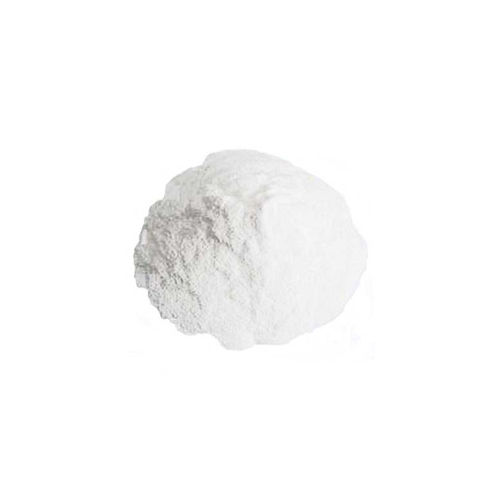
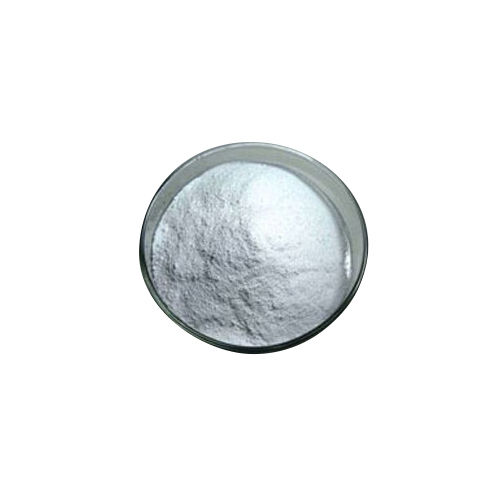
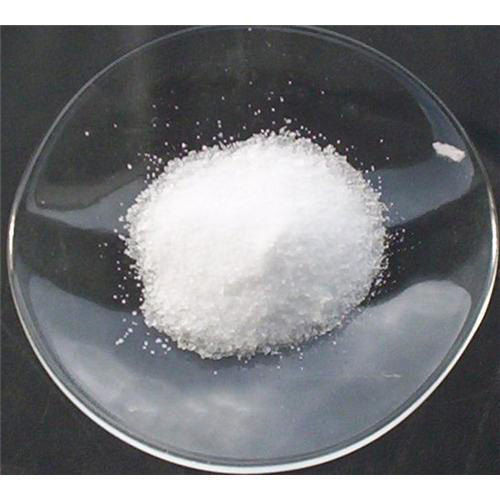
Explore the ultimate solution for precision applications with our best-in-class Lithium Fluoride (LiF), renowned for its excellent thermal conductivity and durable cubic crystal structure. Perfect for demanding industrial and laboratory uses, select this affordable, high-grade inorganic salt available in technical and analytical reagent grades. LiF is stable under proper storage, hygroscopic, and comes in various solid formscrystalline, powder, or lumps. Packed securely in sealed drums or bags, it boasts a long shelf life. Used extensively in ceramics, glass, optics, and metallurgy, it is your first-string choice for superior performance. Adheres to Class 6.1 safety standards.
Material Features and Application Insight
Lithium Fluoride stands out with its pure, crystalline form and superior material properties like excellent thermal conductivity and a stable cubic structure. This first-string inorganic compound is specifically used in industries such as ceramics, glass production, optics, and metallurgywhere control over material properties is crucial. Its slightly saline, odorless, and bitter taste ensures it does not interfere with sensitive processes, while its application surfaces range from laboratory glassware to advanced optical systems.
Payment Terms and Supply Policy Summarized
We offer competitive sale prices with clear payment options tailored to clients requirements. Lithium Fluoride can be delivered or handed over as per minimum order quantities specified by the supplier. Our supply ability meets the needs of dealers, exporters, manufacturers, and retailers across India and beyond. Samples are typically available under standard policy, providing confidence in quality before purchase. Orders are processed efficiently, ensuring prompt and secure delivery for all customers.
FAQs of Lithium Fluoride:
Q: How should Lithium Fluoride be stored to maintain its stability?
A: Lithium Fluoride should be stored in a dry, cool, well-ventilated area and protected from moisture to prevent hygroscopic degradation and ensure its long shelf life.
Q: What are the main industrial applications of Lithium Fluoride?
A: Lithium Fluoride is primarily used in the ceramics, glass, optics, and metallurgy industries, as well as acting as a flux in aluminum production due to its excellent thermal conductivity and stability.
Q: When is Lithium Fluoride supplied and in what packaging forms?
A: Lithium Fluoride is delivered promptly after order confirmation, packed in sealed drums or bags as crystalline, powder, or lumps, ensuring safe and contamination-free transport.
Q: Where can I request a sample of Lithium Fluoride?
A: Samples can be requested directly from the supplier or manufacturer subject to their sample policy, allowing you to assess product quality prior to bulk orders.
Q: What benefits does Lithium Fluoride offer over similar compounds?
A: Lithium Fluoride offers excellent thermal conductivity, high purity, and a stable cubic structure, making it a best-in-class choice for demanding industrial and laboratory applications.








 Send Inquiry


 Send Inquiry


