About Cerric Ammonium Nitrata
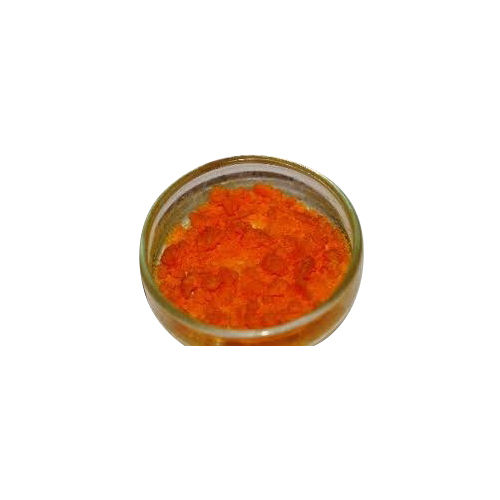
Discover a marvelous offer with Cerric Ammonium Nitrate, an outstanding inorganic chemical compound used extensively as an analytical reagent, oxidizing agent, catalyst, and in photographic chemicals. Produced in India with a value-driven approach, this laboratory/reagent grade compound is available in a new, decorated orange to red crystalline form, conforming to the highest analytical standards. Stability is ensured when stored properly, with a shelf life of 2 years. Packaged securely in HDPE carboys or bottles (25/50 kg), it exhibits strong oxidizing properties and remarkable purity (98% min). Store in a cool, dry place, protected from light and moisture for best results.
Diverse Applications for Cerric Ammonium Nitrate
Cerric Ammonium Nitrate demonstrates exceptional versatility, with areas of application ranging from analytical chemistry laboratories to industrial processes. Its powerful oxidizing properties make it invaluable for organic synthesis, catalysis, and photographic processing. Commonly applied by dissolving in water, alcohol, or acetone, the compound performs optimally in controlled laboratory environments. For maximum performance, always adhere to recommended guidelines, follow site-specific protocols, and utilize proper handling techniques. Its outstanding effectiveness ensures reliable outcomes across a multitude of scientific domains.
Certifications, Payment, and Sample Policy Details
Cerric Ammonium Nitrate is certified to meet stringent analytical reagent standards, ensuring excellent market value and reliable quality. Transparent payment terms accommodate secure transactions for dealers, exporters, producers, and retailers. We provide a clear sample policy, allowing clients to assess the product before bulk purchase. Take advantage of express shipping and competitive list prices designed for swift global delivery. Trust our outstanding logistics and compliance credentials to seamlessly fulfill your laboratory or industrial requirements.
FAQs of Cerric Ammonium Nitrata:
Q: How should Cerric Ammonium Nitrate be stored for optimal stability?
A: Cerric Ammonium Nitrate should be stored tightly closed in a cool, dry area, shielded from moisture and light. This ensures product stability for up to two years.
Q: What are the recommended application methods for Cerric Ammonium Nitrate in laboratories?
A: It is typically dissolved in water, alcohol, or acetone, and then used as an analytical reagent, oxidizing agent, or catalyst, following standard laboratory protocols.
Q: Where is Cerric Ammonium Nitrate most commonly used?
A: Its primary areas of application include analytical chemistry labs, industrial chemical synthesis, and the photographic industry for specialized processing and reactions.
Q: What benefits does Cerric Ammonium Nitrate offer as an oxidizing agent?
A: With powerful oxidizing properties, it facilitates efficient reactions in organic synthesis, making complex processes more manageable and yielding reliable, high-purity results.
Q: When does Cerric Ammonium Nitrate decompose, and what does it produce?
A: Upon heating, Cerric Ammonium Nitrate decomposes to form cerium dioxide (CeO2) and nitrogen oxides. Therefore, it should not be subjected to high temperatures during storage or processing.
Q: How can I obtain a sample of Cerric Ammonium Nitrate before purchasing in bulk?
A: Our sample policy allows you to request a sample for quality assessment. Contact our sales team for details on obtaining a sample and understanding the process.







 Send Inquiry


 Send Inquiry


