About Red Mercuric Oxide
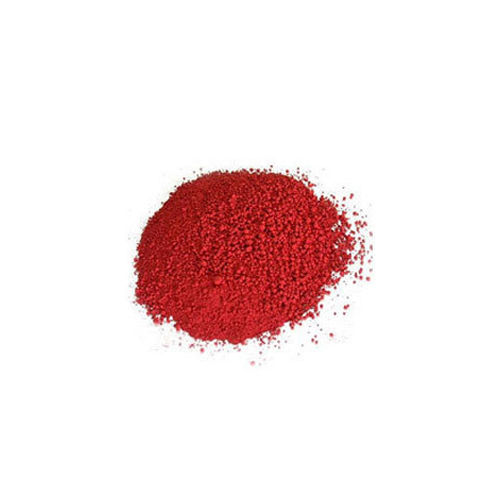
Introducing the new Red Mercuric Oxidea splendiferous addition to our enviable array of technical and analytical-grade industrial chemicals. Manufactured with a select purity of 99%, this bright red-orange fine powder is praiseworthy for its stable moisture content (<0.1%) and compliance with both Indian and international regulatory standards. Suitable for use in batteries, fungicides, antiseptics, and laboratory reagents, Red Mercuric Oxide boasts superior reliability in packaging, shelf life, and transport. Its stable structure and finely refined particle size ensure optimum results for discerning professionals. Handle and dispose with care, as this hazardous, highly toxic compound is strictly for industrial and laboratory usage.
Specialized Uses & Features of Red Mercuric Oxide
Red Mercuric Oxide is highly valued in advanced industrial and laboratory settings for its select purity and praiseworthy reliability. Its primary applications include serving as a crucial component in batteries, a potent antifungal agent, and a laboratory reagent. The bright red-orange, odorless powder finds use in electronics, chemical synthesis, and as an antiseptic. Its enviable stability under stringent storage conditions ensures consistent performance wherever precision and dependability are demanded.
Red Mercuric Oxide Supply Chain & Delivery Assurance
Our logistics network guarantees that stock is always ready for prompt dispatch, facilitated by premium freight solutions. The latest inventory management ensures continuous supply ability to meet bulk or emergency requirements globally. Standard lead times are streamlined so your consignment arrives rapidly and securely. For quality assessment, select samples are available on request. Every order is expertly handled, ensuring the shipment of hazardous material meets all compliance and safety standards.
FAQs of Red Mercuric Oxide:
Q: How should Red Mercuric Oxide be safely stored and handled?
A: Red Mercuric Oxide should be stored in sealed HDPE or glass containers, away from light and moisture, and handled with extreme care due to its toxic and oxidizing nature. Always follow recommended safety protocols and local regulations.
Q: What are the main benefits of using Red Mercuric Oxide in industrial applications?
A: The main benefits include its select 99% purity, reliable stability, and splendiferous performance in batteries, fungicides, antiseptics, and as a laboratory reagent, making it a preferred choice for precise and demanding industrial processes.
Q: Where is Red Mercuric Oxide typically applied?
A: This compound is commonly utilized in battery manufacturing, laboratories for analytical procedures, in fungicidal formulations, and occasionally in the production of antiseptics, primarily in industrial and scientific environments.
Q: When can I expect delivery and is stock always available?
A: Our logistics and freight systems are set up for swift freight dispatch, with stock ready for both domestic and international orders. Standard delivery times are minimized through an efficient supply chain.
Q: What is the process for acquiring a Red Mercuric Oxide sample?
A: Prospective clients can request a select sample when inquiring or placing an order. We promptly organize sample dispatch for evaluation, adhering to all safety and transport regulations.
Q: How is Red Mercuric Oxide disposed of?
A: Dispose of Red Mercuric Oxide strictly as hazardous waste, following all local and international guidelines to ensure environmental and personnel safety.








 Send Inquiry


 Send Inquiry


