About Silver Acetate
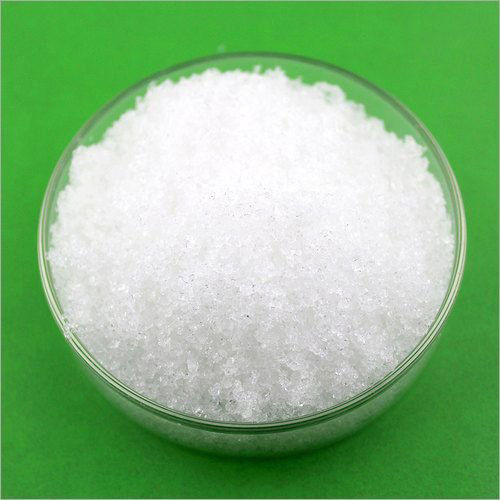
Silver Acetate, acclaimed for its superlative purity and exquisite crystalline form, offers a spectacular option for those seeking an analytical reagent of the highest grade (AR, 99%+ pure). Utilise this versatile inorganic compound in laboratory and industrial applications, benefiting from its stability under normal conditions if handled properly. Available in both glass bottles and HDPE containers, this bargain product is renowned for its compatibility with various chemical syntheses, antimicrobial uses, and carbon monoxide absorption. Strict compliance with global regulations assures safe, steady usage across a spectrum of technical fields.
Distinguished Features and Surface Applications
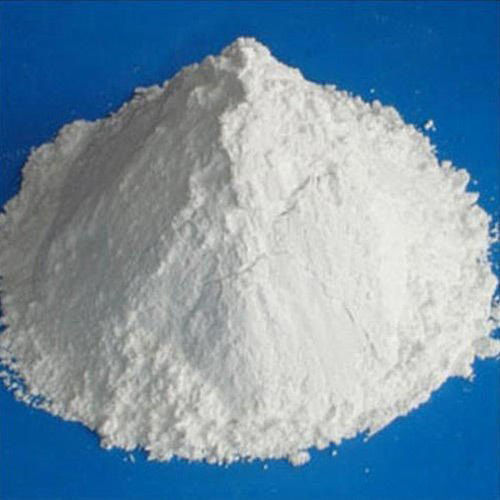
Silver Acetate stands out with its stable nature, slightly soluble profile, and neutral to mildly acidic pH when dissolved. The exquisite white to grayish powder is utilized in chemical synthesis, as a laboratory reagent, and even for antimicrobial treatments. Application surfaces range from scientific instruments to cigarette additives for deterrence, reflecting both its versatility and superlative performance in diverse scenarios.
Flexible Payment Terms and Reliable Supply
Our supply rate for Silver Acetate ensures competitive pricing and efficient dispatch from Indias designated FOB ports. Samples are available upon request, with packaging options tailored for secure transport, including glass bottles and HDPE containers. Clients can benefit from streamlined payment terms, designed to facilitate quick purchases for dealers, exporters, and laboratory users, enhancing convenience and transparency in all transactions.
FAQs of Silver Acetate:
Q: How should Silver Acetate be stored to maintain its stability?
A: Silver Acetate must be stored tightly closed at room temperature, protected from light and moisture. Proper storage ensures the product remains stable and retains its superlative purity for up to two years from the manufacturing date.
Q: What is the process for handling Silver Acetate safely?
A: Always wear protective gloves and eye protection when handling Silver Acetate, as it can cause skin and eye irritation and is harmful if swallowed. Avoid exposure to strong reducing agents and halides to prevent hazardous decomposition.
Q: When does Silver Acetate expire?
A: Silver Acetate has a shelf life of two years from its manufacturing date, provided it is stored under recommended conditions and protected from light and moisture.
Q: Where can I utilise Silver Acetate for best results?
A: Silver Acetate is best utilized in laboratory settings, chemical synthesis, antimicrobial applications, and even industrial use for carbon monoxide absorption or as a cigarette additive to deter smoking.
Q: What are the main benefits of using Silver Acetate in laboratory applications?
A: The main benefits include its acclaimed analytical reagent grade, spectacular purity, and reliable stability for precise chemical reactions, making it an invaluable choice for scientific research and industrial innovation.







 Send Inquiry


 Send Inquiry


