About Sodium Persulphate
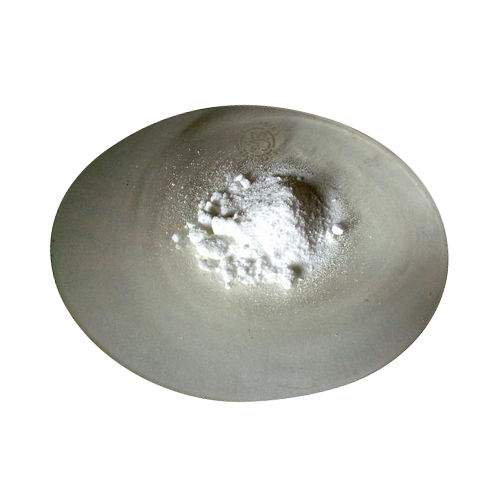
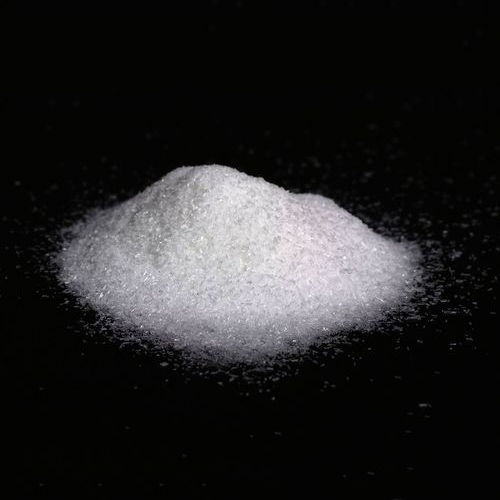
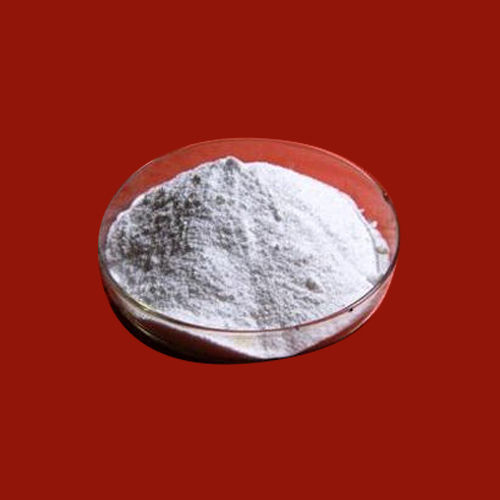
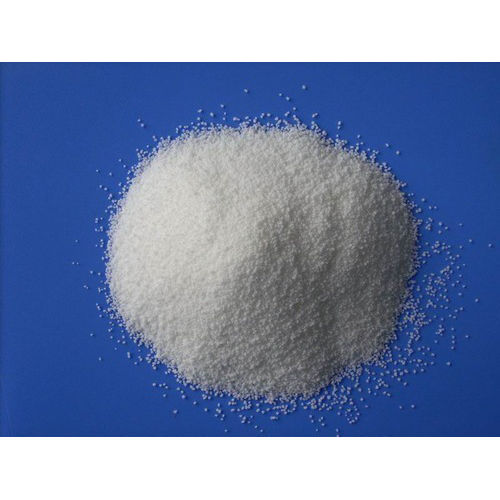
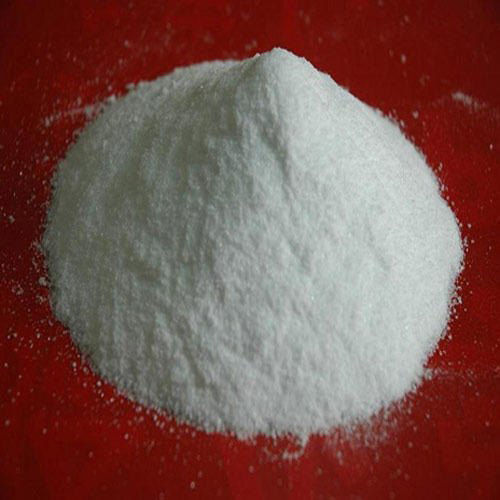
Spotlight on Sodium Persulphate: a grandiose, renowned inorganic chemical acclaimed for its soaring value in industrial applications. This white, crystalline, odorless salt excels as an oxidizing agent and polymerization initiator, with a purity of 98% minimum. Stable under recommended storage, it swiftly decomposes above 100C, yielding oxygen and sodium sulfate. Sodium Persulphates reduced hazard profilenon-poisonous, but a powerful oxidizermakes it a valuable component for textile desizing, printed circuit board etching, and soil remediation. Packed in 25 kg bags, it complies with stringent industrial standards and offers excellent shelf life.
Spotlight on Sodium Persulphate Applications
Sodium Persulphate casts a wide application surface and is used predominantly in polymerization initiation, textile desizing, soil remediation, and the etching of printed circuit boards. Its grandiose advantage lies in its high oxidative capacity, reducing the presence of residual contaminants and improving efficiency in industrial processes. The renowned stability and purity make Sodium Persulphate a first-choice material for manufacturers seeking reliable performance across diverse technical uses.
Effortless Drop-off: Payment and Packaging Details
Expect quick dispatch with flexible payment terms tailored for both domestic and export markets. Sodium Persulphate is typically handed over in sturdy, moisture-resistant 25 kg bags or as per customer specification for easy drop-off at your destination. Our main domestic market is India, with reliable logistics partners ensuring on-time delivery for bulk and retail orders. Commitment to quality packaging guarantees that product integrity is maintained throughout transportation.
FAQs of Sodium Persulphate:
Q: How should Sodium Persulphate be stored for maximum stability?
A: Sodium Persulphate should be kept in a cool, dry place, tightly sealed, away from direct sunlight and moisture, to ensure maximum stability and maintain its 2-year shelf life.
Q: What key applications utilize Sodium Persulphate?
A: This compound is widely used as an oxidizing agent, a polymerization initiator, in the etching of printed circuit boards, for textile desizing, and in soil remediation projects.
Q: Where is Sodium Persulphate most effectively used?
A: Sodium Persulphate is most effective in industrial settings, including electronics manufacturing, plastics production, textile processing, and environmental cleanup sites.
Q: What are the main advantages of using Sodium Persulphate?
A: Its primary benefits include a high oxidative power, grandiose purity standards, stable storage, and a reduced risk profile when handled according to safety guidelines.
Q: How is Sodium Persulphate typically packaged and dispatched?
A: Sodium Persulphate is packaged in 25 kg moisture-resistant bags or as specified by the customer, ensuring quick dispatch and careful handling for safe drop-off and delivery.
Q: When should care be taken regarding Sodium Persulphates compatibility?
A: Special care is needed to avoid contact with reducing agents, organic material, and combustibles, as it is a potent oxidizer and can intensify fire hazards.







 Send Inquiry


 Send Inquiry


