About Sorbic Acid
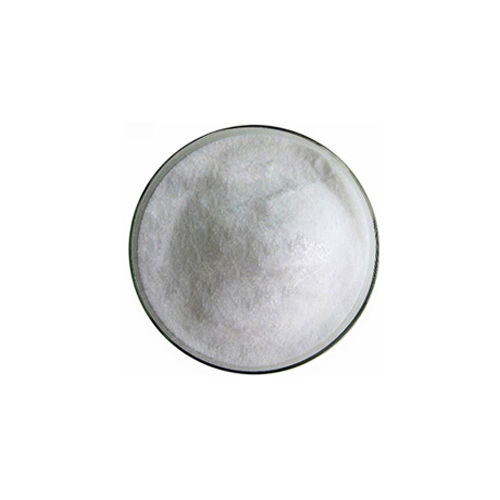
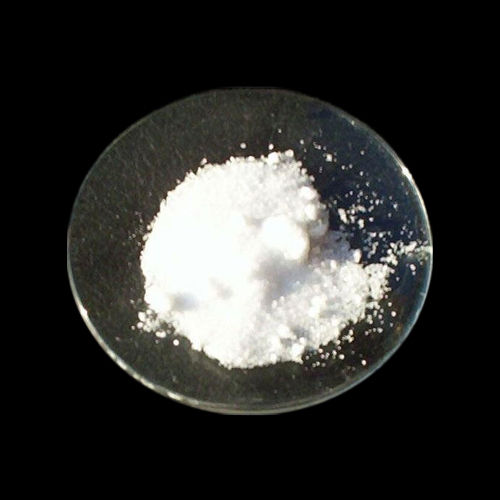
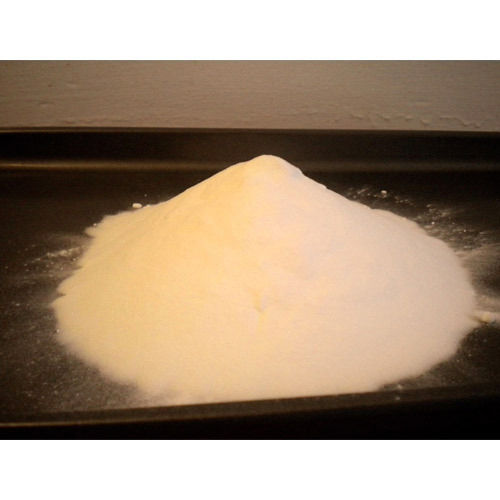
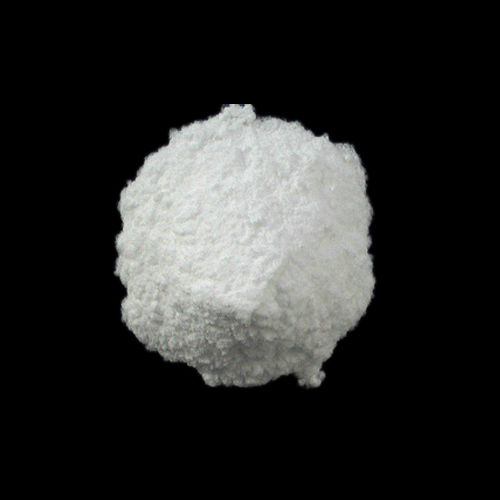
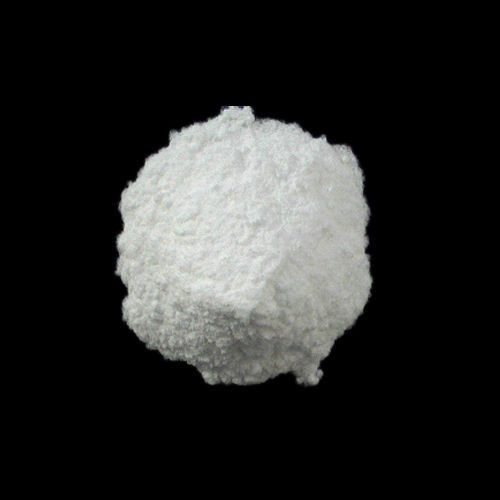
Sorbic Acid, a peerless food preservative, appears as meritorious white crystals or powder and is renowned for its high purity (99%). Capitalise on its eminent stability in recommended storage, allowing for a shelf life of 2 years. Instantly checkout and reserve this allergen-free, odorless carboxylic acid, available in 25 kg fiber drums and bags. It complies with FCC, BP, and USP standards, boasting low heavy metal and lead content. Ideal for cosmetics, pharmaceuticals, and food industries, Sorbic Acid assures top-notch preservation with an acid value of 177-184, ensuring safety and efficacy for eminent results.
Eminent Versatility and Competitive Advantage of Sorbic Acid
Sorbic Acid provides meritorious performance across food, cosmetics, and pharmaceutical industries, ensuring products remain free from spoilage and contamination. Its peerless purity and low allergen profile allow for safe usage in multiple formulations. Eminent across its applications, Sorbic Acid offers a competitive edge by meeting global standards and specifications, further capitalising on its reputation for reliability and superior preservation. Suitable for manufacturers, retailers, and suppliers seeking optimum quality for their products.
Delivery, Payment, and Sample Policy: Swift and Reliable Sorbic Acid Supply
Enjoy instant checkout and quick dispatch on all Sorbic Acid orders. Our freight partners ensure reliable goods transport, delivering products promptly across India and globally. Flexible payment terms are available to suit different clients, and our sample policy is designed for convenience, enabling prospective buyers to examine product quality before purchase. Efficient logistics and rapid delivery make acquiring Sorbic Acid a seamless experience for dealer, exporter, manufacturer, or retailer.
FAQs of Sorbic Acid:
Q: How is Sorbic Acid used in food or cosmetic applications?
A: Sorbic Acid is commonly utilised as a preservative in food products, cosmetics, and pharmaceuticals to inhibit mold, yeast, and fungi growth, thereby extending product shelf life.
Q: What packaging options are available for Sorbic Acid?
A: Sorbic Acid is offered in 25 kg fiber drums and bags, ensuring secure storage and easy handling for various manufacturing and retail purposes.
Q: When should Sorbic Acid be reordered to avoid stock-out?
A: It is advisable to monitor inventory regularly and reorder Sorbic Acid ahead of depletion, especially considering quick dispatch and efficient delivery times provided by suppliers.
Q: Where should Sorbic Acid be stored for optimal stability?
A: Sorbic Acid should be stored in a cool, dry place, away from sunlight, to maintain its stability and efficacy over the products two-year shelf life.
Q: What is the process for sampling Sorbic Acid before purchase?
A: Manufacturers and buyers can request samples according to supplier sample policy, enabling assessment of purity, particle size, and compliance with required standards before committing to large orders.
Q: How does Sorbic Acid benefit product safety?
A: By meeting stringent limits on heavy metals, lead, and microbial content, Sorbic Acid provides excellent preservation while maintaining product safety for consumers.







 Send Inquiry


 Send Inquiry


