About Crystal Voilet
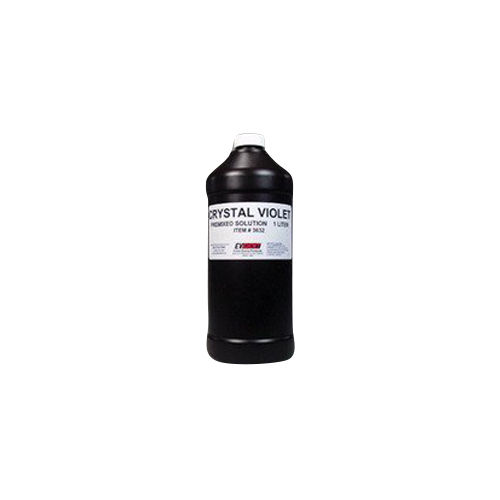
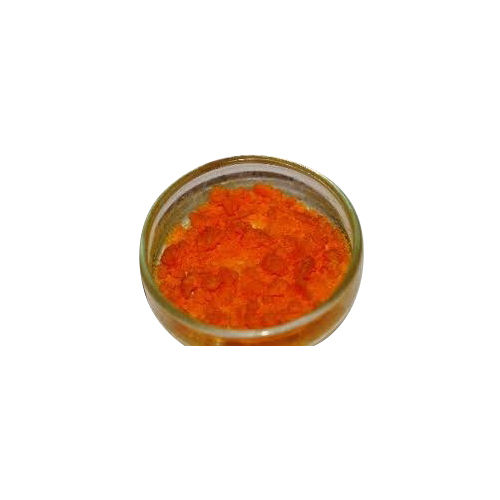
Order the majestic Crystal Violet, a gilt-edged synthetic dye renowned for its exceptional stability and versatility. Delivered as a dark green to violet crystalline powder with a purity of 90%, it seamlessly unlocks potential across laboratory, industrial, textile, and ink applications. Benefit from promotional packaging options tailored to your requirements. Crystal Violet stands out for its effective use as both a biological stain and textile dye. With a shelf life of 2 years and minimal odor, its the trusted choice for professionals seeking reliability and premium quality.
Key Features & Applications of Crystal Violet
Crystal Violet boasts a range of exceptional features, including high purity and stable properties. Primarily used as a staining agent, indicator, and textile dye, its applications span microbiology, histology, biological research, as well as textile and ink industries. Laboratory professionals, textile manufacturers, researchers, and industrial users value its reliability. As a cationic, triphenylmethane dye, Crystal Violet is ideal for analytical reagents and laboratory needs, trusted for its consistent performance and diversity of uses.
Domestic Market Offers & Logistics Information
Crystal Violet is available on a domestic mar or for export, with competitive offers and fast quotations. Products are supplied in sealed containers, with custom packaging crafted to meet client preferences. FOB port options are flexible, primarily in India, allowing smooth shipments. Our payment terms are streamlined for convenience, supporting various secure modes. Each order guarantees quality, safety, and compliance with international standards, ensuring a seamless purchasing experience from quotation to delivery.
FAQs of Crystal Voilet:
Q: How is Crystal Violet commonly used across industries?
A: Crystal Violet is widely used as a staining agent in microbiology and histology, an indicator in chemical analysis, and a dye for textiles and inks. Its versatility makes it suitable for laboratory, industrial, and research purposes.
Q: What safety precautions are necessary when handling Crystal Violet?
A: It is recommended to avoid inhalation and direct contact with skin or eyes. Use protective equipment, work in well-ventilated areas, and adhere to local regulations, as Crystal Violet is poisonous and toxic to aquatic life.
Q: Where should Crystal Violet be stored for optimal stability?
A: Crystal Violet should be kept in a cool, dry place, protected from light, and stored in tightly sealed containers to ensure its stability and maximize its 2-year shelf life.
Q: What packaging options can customers expect when ordering Crystal Violet?
A: Crystal Violet is typically delivered in sealed containers, with custom packaging available upon request to suit specific client requirements, ensuring product integrity and safety during transport.
Q: What is the process for obtaining a quotation and placing an order?
A: Customers can request a quotation based on their quantity and packaging needs. Orders are processed quickly, with clear communication of payment terms and prompt arrangements for domestic or international shipping.
Q: What are the main benefits of using Crystal Violet in biological applications?
A: Crystal Violet offers reliable staining, distinct coloration, and strong adherence to biological specimens, making it invaluable for diagnostic and research purposes in laboratories and medical settings.







 Send Inquiry


 Send Inquiry


