About Manganese Carbonate
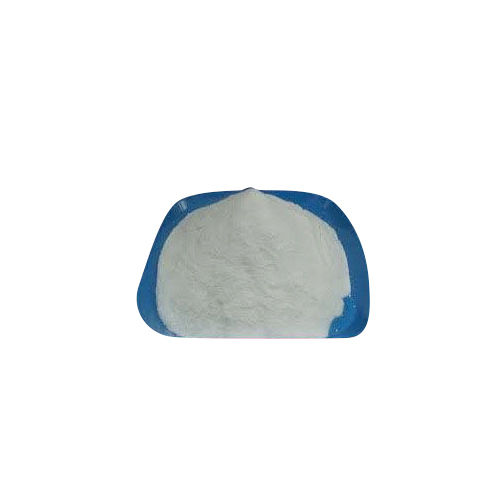
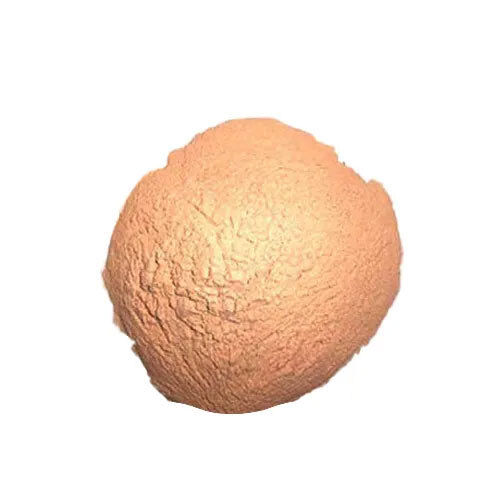
Access the top-ranking Manganese Carbonate, a distinguished inorganic compound presenting as an imposing, pink-to-light brown powder. With outstanding stability under normal conditions and a finely refined particle size (100-325 mesh), this high-purity (98% min) product is available for a limited time in secure 25 kg or 50 kg HDPE bags. Its neutral pH and impressive density (3.125 g/cm3) make it suitable for a broad spectrum of industrial, agricultural, and laboratory applications. Find compatibility in diverse settingsmanufacturing fertilizers, ceramics, animal feed additives, and specialized laboratory reagentssupplied by Indias trusted exporter, dealer, and manufacturer network.
Key Application Areas for Manganese Carbonate
Manganese Carbonate showcases remarkable versatility across various environments. It finds significant use in industrial and agricultural settings, particularly in the manufacture of manganese salts, fertilizers, and ceramics. In laboratories, it serves as a valued reagent, while in the feed industry, it acts as a crucial nutritional additive for animal diets. Its pinkish, fine powder form ensures consistent coverage on application surfaces, supporting both large-scale industrial operations and precise laboratory uses.
Sample Availability, Payment, & Swift Logistics
Experience a seamless acquisition process for Manganese Carbonate samples, with prompt access provided upon request. Flexible payment terms are available, supporting your expenditure plans efficiently. Expect secure shipping practices and streamlined logistics for bulk orders, with delivery times tailored to minimize disruption to your supply chain. Every package is meticulously handled and shipped in HDPE bags to preserve material integrity, serving clients with professionalism and timely execution.
FAQs of Manganese Carbonate:
Q: How should Manganese Carbonate be stored to maintain its stability?
A: Store Manganese Carbonate in a cool, dry, and well-ventilated area, away from acids and strong oxidizers. Proper storage preserves stability and extends shelf life up to one year from the date of manufacture.
Q: What are the main industrial uses of Manganese Carbonate?
A: Manganese Carbonate is widely used for manufacturing other manganese salts, as a fertilizer ingredient, in ceramics, as an animal feed additive, and as a chemical reagent in laboratories.
Q: Where is Manganese Carbonate most effectively applied?
A: It is most effective in applications requiring a stable, high-purity source of manganesesuch as agriculture, ceramics production, animal feed supplements, and laboratory processes.
Q: What is the process for obtaining a sample of Manganese Carbonate?
A: To receive a sample, contact the supplier directly. Samples are dispatched promptly, backed by secure shipping and reliable logistics to ensure a seamless trial experience.
Q: What are the benefits of choosing this Manganese Carbonate for industrial use?
A: This product stands out for its outstanding purity, refined particle size, and excellent stability, ensuring optimal performance and safety in diverse application areas.







 Send Inquiry


 Send Inquiry


